Inside Turkey’s Olive Oil Revival

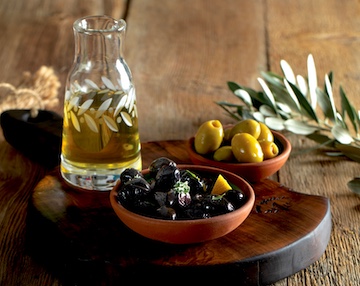
By Barbara Noe Kennedy In a beautifully restored olive oil mill in Urla—on Turkey’s Aegean coast, west of Ephesus and its now-crowded ancient streets—oleologist Pelin Omuroğlu swirls a golden-green liquid in a blue, tulip-shaped glass, its color concealed, its character revealed through scent and texture alone. “Smell first,” Omuroğlu instructs. “Then slurp—pull in air through…

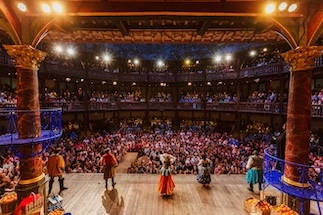
Elizabethan London: High Times in Renaissance England

What remains today of Tudor London, the city ruled by Elizabeth I from 1558 to 1603? Although two-thirds of the wooden city succumbed to flames during the Great Fire of 1666—which also cleaned out plague-carrying rats—a number of Tudor buildings remain. They include the Clink Jail (now a museum), the Seven Stars Pub, close to Shakespeare’s original London apartment, the Royal Exchange (modeled on the Bourse in Antwerp), and a 1520 riverside pub-restaurant called The Prospect of Whitby where Captain Kidd plotted his piratical schemes and writers like Charles Dickens and Samuel Pepys dropped by for beer.
During Elizabeth’s reign, urban life centered on the Thames River. Three thousand “watermen” offered taxi service to various river stops. Today, boats, including Uber-taxis, leave many of the same docks for destinations like sumptuous Hampton Court. Read More

Gaia

Valhalla On Ice

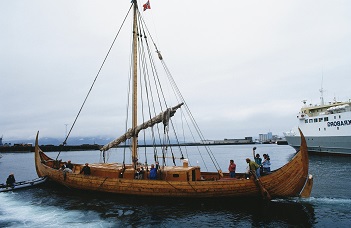
It was a foggy June day in the year 793 A.D. when several longboats with dragon’s-head prows silently appeared out of the fog bound for the Lindisfarne monastery off the Northumbria coast. Howling like wolves, the Vikings methodically set about the business of slaughter. Some monks were killed midway through their prayers. Others were felled trying to defend their hand-lettered vellum books. Those who failed to die quickly suffered “the blood eagle,” a terminal torture in which a man’s lungs were ripped from his chest and allowed to flap like crimson wings until the screams subsided. And then, just as quickly as they had come, the Vikings disappeared into the cold gray mist of the North Sea, taking with them golden chalices, silk tapestries and intricately carved triptychs while leaving behind a legacy of fear. For the next 300 years, nobles and clergy alike ended their nightly prayers with the whispered supplication: A furore Normannorum libra nos, Domine – “From the fury of the Northmen deliver us, Oh Lord.”


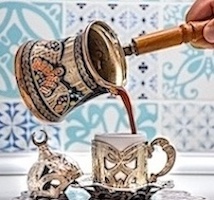
Turkish coffee TGA

Turkish Coffee Enjoy!

By Cynthia David My first Turkish coffee arrived dark and steaming hot from an electric coffeemaker at Espressolab on Istanbul’s historic Istiklal Avenue. The Espressolab had a long, curved marble bar, high ceiling beams and an Art Deco espresso machine. The 20 and 30-somethings around me chatted and sipped their cappuccinos and pumpkin spice lattes…

Oberkirch

GERMANY’S BLACK FOREST HAS MORE THAN CAKE AND CUCKOO CLOCKS

The Black Forest got its name from the Romans, who found the woods so dark and dense that they named it Silva Nigra, a “black forest” that suggested otherworldliness. After serving as Germany’s biggest source of lumber during the Industrial Revolution, the Black Forest’s 2,320 square miles have thinned to a shadow of their former impenetrability. Today, the area is a mix of forested mountains laced with river valleys, vineyards, lush meadows, streams, and towns with ubiquitous flower boxes overflowing with geraniums, says writer Beth Reiber. Measuring just 100 miles long and up to 25 miles wide, the forest is a cathedral for solitude that conveys feelings of contentment and remoteness as shafts of sunlight settle upon fern-lined pathways that spiral down from the summits past vineyards and orchards to medieval villages dating from the mists of time.