

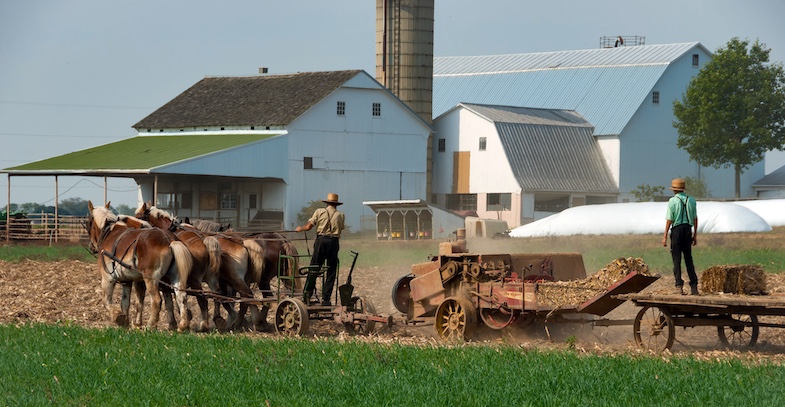
Pop culture portrays the Amish community as a living time capsule, a throwback to a simpler time, and to an extent, that’s accurate. Many Amish drive horse-drawn buggies instead of automobiles, play board games instead of PlayStation and meet face-to-face instead of texting. They set themselves apart from the English—anyone who is not Amish—with their plain dress of suspenders and broad hats for men and solid-colored dresses and bonnets for women.
But in Northern Indiana, the Amish might surprise you. They work at Jayco, Forest River and the other RV companies that dominate the area, or they own their businesses, some catering to tourists, in towns like Elkhart and Shipshewana. During business hours, they use cell phones and computers, and they welcome English visitors. Some even host tourists for meals in their homes or give them buggy rides along farm-lined lanes, for a fee.
Their openness allows visitors to learn more about them and to experience their way of life on a deeper level than they could anywhere else.
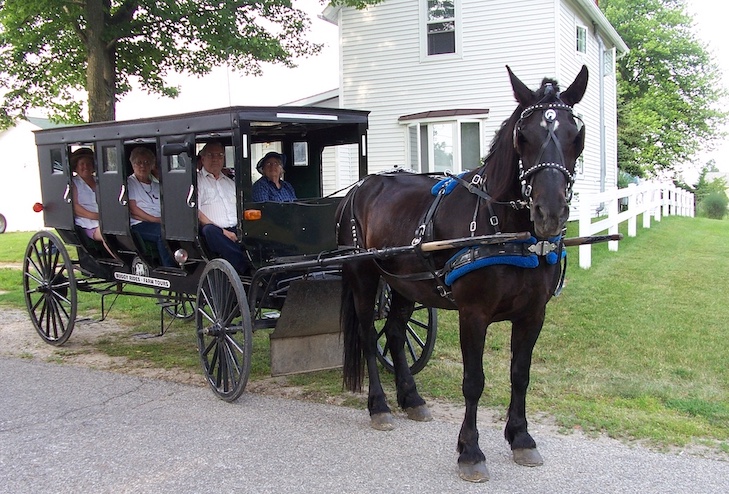
Visitors take a horse-drawn buggy tour of Amish country in Indiana. Photo courtesy of LaGrange County, IN Convention & Visitors Bureau.
Who Are the Amish?
The Amish religion emerged during a Protestant Reformation disagreement over the sacrament of baptism. At issue was the question of whether the church should continue baptizing infants, as the Catholics did, or reserve baptism for adults, who could knowingly accept it. Infant baptism won out, and in 1536, Menno Simons united the dissenters, who took his name: Mennonites.
Besides believing in adult baptism, Mennonites refused to swear oaths or bear arms, which angered European governments because they expected their citizens to serve in the military. However, as strict as they were, some felt the Mennonites didn’t go far enough, and in 1693, Jakob Ammann and his followers broke away to form the even stricter Amish religion.
Facing persecution from the Catholic faith, other Protestants and European governments, both the Amish and Mennonites began leaving Europe. The first wave of Amish arrived in the U.S. between 1717 and 1750 and settled in Lancaster County, Pennsylvania. A second wave followed about 100 years later, moving this time to rural New York and midwestern states like Ohio and Indiana. Today, Lancaster County remains the nation’s largest Amish community, with Holmes County, Ohio, and Northern Indiana second and third largest respectively.
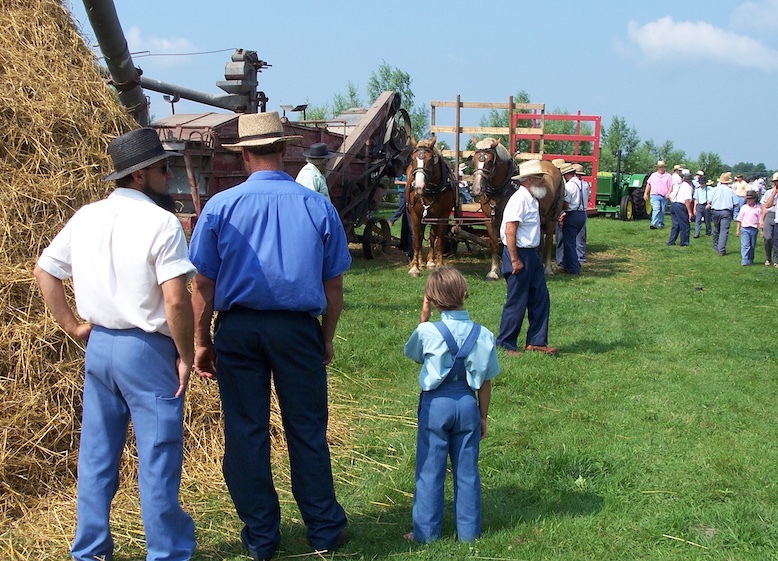
Susan Mosey, who started the My Amish Indiana tour company in 2017, says four things set the Amish apart from other Christian groups: their use of horses and buggies instead of cars, speaking Dutch as their primary language, worshiping in their homes instead of a formal church building and ending their education after the 8th grade.
Beyond these characteristics, they have some flexibility in how they live since each district (congregation) of about 40 families makes its own Ordnung (rules) of what they can and can’t do. Northern Indiana Amish districts are generally more progressive in what they allow.
Misconceptions
Movies and TV usually depict ultra-conservative Amish communities, like the Swartzentruber Amish, who don’t have birth certificates, social security numbers or indoor plumbing. They light their homes with kerosene lanterns at night and refuse to use reflective tape on their buggies because they consider it too flashy.
Most Amish will have birth certificates and Social Security numbers, according to Mosey. They also pay taxes, use banks and have mortgages like anyone else. In Northern Indiana, they even use electricity in their homes as long as it comes from solar panels or generators instead of public utilities, which represent the influence of the outside world.
There are other misconceptions, too—that they don’t use mirrors (Mosey says her Amish friends laugh at this because, of course, they do), that they refuse to see shunned family and friends (they just won’t eat or do business with them), and that they have arranged marriages when in fact, they marry for love.
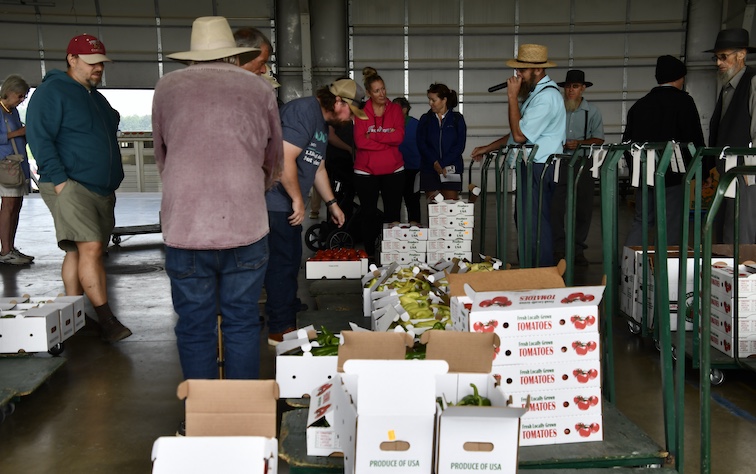
Anyone can bid on the fruit and vegetables for sale at the Amish-run Clear Spring Produce Auction in LaGrange, Indiana. Photo by Teresa Bitler.
Another misconception is that the Amish encourage teens to “sow their wild oats” during Rumspringa, the time they’re given to experiment before committing to the Amish way of life. Parents tolerate Rumspringa, Mosey clarifies, and it is usually much tamer than depicted on the reality TV show Amish in the City.
To learn more about Amish history and their beliefs, Sonya Nash, chief executive officer for Visit Shipshewana/LaGrange County, recommends visitors make the Menno-Hof museum in Shipshewana their first stop.
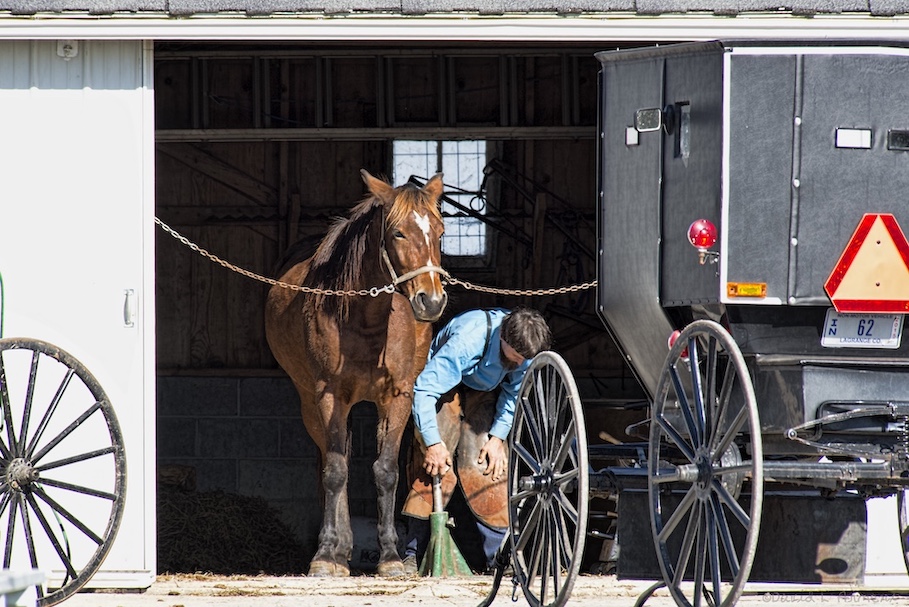
Amish farrier prepares to trim and put new shoes on a horse’s hooves. Photo by David Arment
From Buggies to RVs
What sets Northern Indiana Amish apart from other Amish communities is the area’s RV and manufactured home industry. Located in Elkhart and LaGrange counties because of its proximity to I-90 and to Amish craftsmen, the industry took shape in the 1930s. By the 1960s, Northern Indiana boasted more than 100 industry-related companies, making it the RV capital of the world. Although that number has since dropped to roughly 40 companies, the area still produces more than 80 percent of world’s RVs and manufactured homes—and many of the employees are still Amish.
It’s difficult to estimate exactly what percentage of local factory workers are Amish, according to Nash, but most young Amish men begin their day there, building campers, fifth-wheel trailers, motorhomes and manufactured homes. Since the work is piecemeal, they leave when they finish, often before noon. For the rest of the day, they can farm or run a cottage business out of their home.
Susan Mosey, who has written several books about Indiana’s Amish, says the men earn around $80,000 a year working in the factories, so they don’t need extra money from a second job. After all, she smiles, they don’t have many expenses since they aren’t buying the latest fashions or that year’s buggy model. The afternoon business keeps them busy—they live by the mantra that idle hands do the Devil’s work—and lays the foundation for them to eventually quit the factory job.
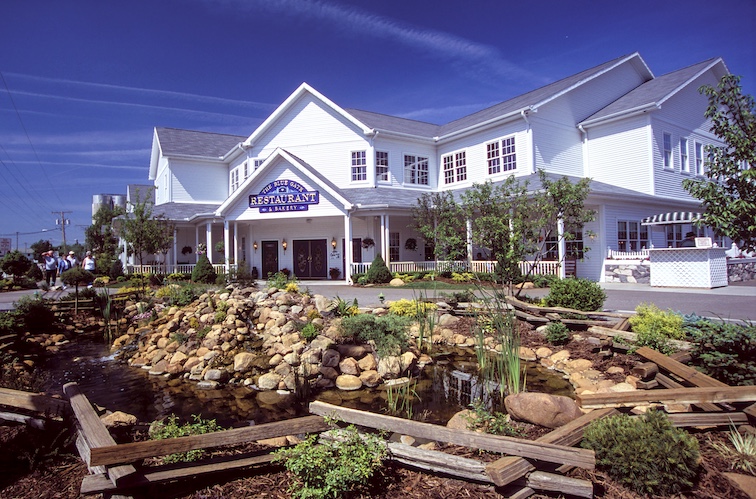
The Blue Gate Restaurant serves traditional Amish dishes like fried chicken and fruit pies. Photo courtesy of LaGrange County, IN Convention & Visitors Bureau.
Marlin Miller, who owns Amish Kuntry Fried Pies with his wife, Anna, explains that factory work takes a toll.
“It’s not a happy life,” he says. “You may make a lot of money, but it’s hard work. You’re not pushing buttons.”
Because of how physical the job can be, Amish employees tend to be in their 20s and 30s. They punch in at 5 a.m. and spend the morning lifting heavy materials, driving forklifts and using pneumatic tools, which they can do at work according to local Ordnung. However, it’s not something most of them want—or will physically be able—to do their entire working years. Plus, a cottage business allows them to spend more time with their families.
“An Amish man’s dream is by the time he’s 40 is to own his own business,” Mosey says.
Community of Entrepreneurs
In Northern Indiana, Amish-owned businesses dominate the local towns and dot the country roads. For example, as you head north on Van Buren Street through Shipshewana, you first encounter E&S Sales Bulk Foods, an Amish-owned grocery store where you can shop for fresh produce, baked goods and bulk food items alongside Amish families. Five hundred feet down the street, Ben’s Soft Pretzels—founded by Amish-turned-Mennonites Ben and Elizabeth Miller—makes golden, salt-topped snacks.
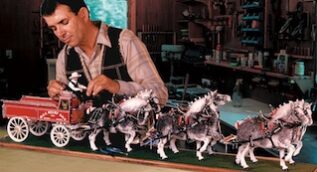
Continuing north, Blue Gate Garden Inn sits next to Blue Gate Performing Arts Center, both owned by Blue Gate Hospitality, an Amish company that evolved out of Mel Riegsecker’s hobby of building horse-and-wagon models. Today, Blue Gate Hospitality owns a restaurant, furniture shop and craft barn as well as the hotel and performing arts center.
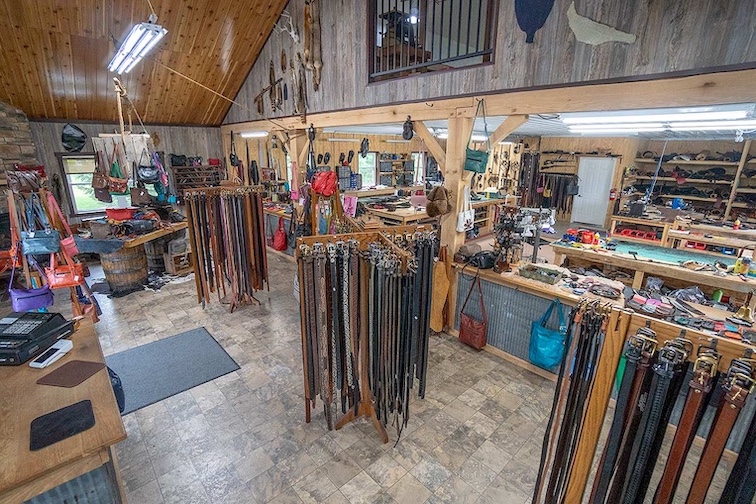
Amish-owned Silver Star Leather makes belts, purses and other leather goods for sale in shop or online. Photo courtesy of LaGrange County, IN Convention & Visitors Bureau.
Within the next short stretch is the Menno-Hof museum, Yoder’s Meat & Cheese and the Shipshewana Trading Place’s auction and flea market. The Blue Gate Restaurant a half mile down where Van Buren intersects Middlebury Street, and in between and on side streets, Amish-run restaurants and quaint shops fill the town.
Nash points out this is what you can find in just one town in Northern Indiana’s Amish country.
Throughout the area, Amish businesses range from markets like the one the Lehman family owns to furniture makers. In Topeka (Indiana), Maynard Hostetler makes buggies at Hoosier Buggy Shop for Amish and English customers. About 15 miles north of there, Loren Yoder crafts leather belts, purses, bags and wallets for his shop, Silver Star Leather.
Families run many of Northern Indiana’s Amish businesses. Norman Lehman, who passed away in March 2026, started Dutch Country Market with his wife, Katie. The specialty food market demonstrates traditional noodle-making onsite and sells honey produced from the family’s hives.
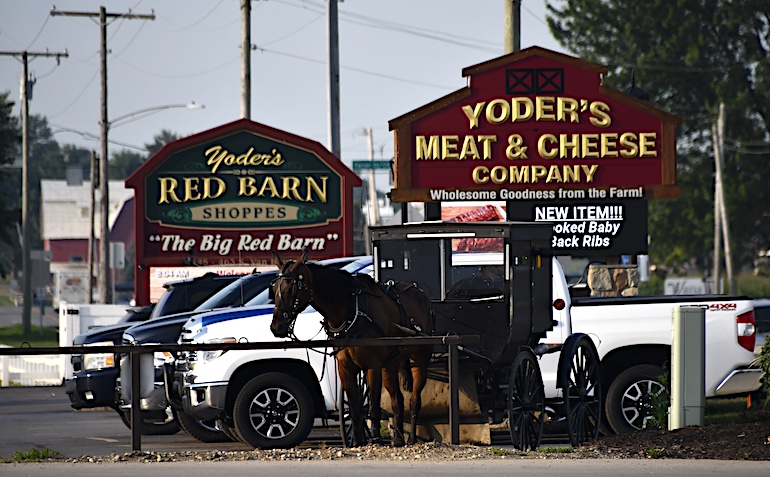
An Amish buggy waits in a parking lot of pickup trucks and passenger cars. Photo by Teresa Bitler.
Similarly, the Yoder family created Yoder’s Homestyle Cooking to serve a traditional Amish meal of chicken, barbecue ribs, coarsely-mashed red potatoes, fresh-baked bread, salad and fruit pie to English guests. Wife Carolyn prepares the meal, husband Henry gives buggy rides, and their teenage children serve the food.
Sometimes, wives start their own businesses. They bake goods or produce food items like the jams, which they sell through local markets or stock roadside stands in front of their homes with farm goods like extra eggs from their henhouses or fresh-cut flowers for bouquets. A few even have storefronts such as Shipshewana’s Kids Kreations, where Clara Wagler helps young children handcraft their own doll that they can then take home.
Technology and Business
As I visited Amish businesses like these in Northern Indiana, I noticed something I hadn’t expected—computer screens. The first sat on the checkout counter of a brick-and-mortar store next to a cell phone. I saw a fax machine at a jam maker’s shop and was referred to a woodworker’s website for online purchases as I left his store. Then, at a market, I heard employees communicating over walkie-talkies.
I hadn’t expected to see any technology at all.
Mosey explains that in Northern Indiana the Amish can use technology, but only at work. They’ll use computers but avoid the Internet because it can bring negative influences into their lives. They’ll have cell phones but turn them off at 5 p.m. While each district votes on what is and isn’t acceptable, ultimately the decision comes down to whether a technology impacts their relationship with God or their families.
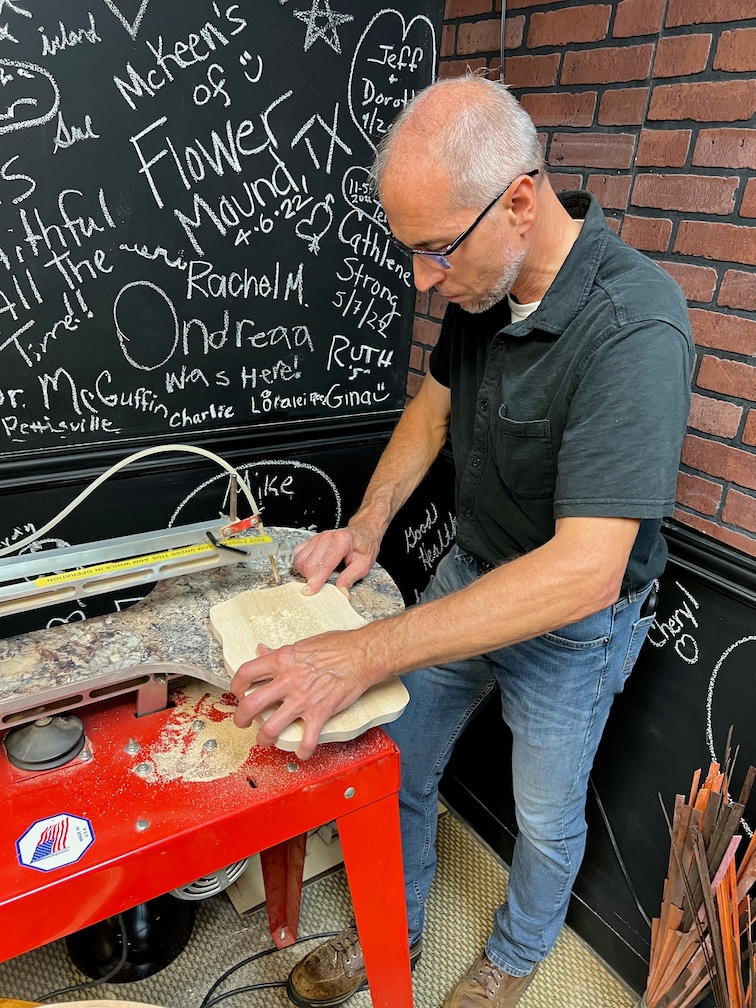
Mosey addresses questions like these on her tours, but some Amish may be willing to share when asked politely. Miller is one of them. When he gives tours of Amish Kuntry Fried Pies, he’ll gladly answer questions about his way of life but says, “I mostly get questions about which flour we use in the pie dough.”
There’s no “best way” to visit Northern Indiana’s Amish country. If you have a lot of questions or a special interest like quilting, a tour with a guide like Mosey will make the most of your time. For a self-guided experience, Nash recommends following the Off the Beaten Path Trail listed on the Visit Shipshewana website. The trail passes more than 100 Amish cottage businesses as well as more than 60 barn quilts (bright quilt squares painted on Amish barns).
Part of what makes Northern Indiana Amish country so special is that there’s so much to discover here, says Andrew Rohrer, vice president of sales and marketing for Blue Gate Hospitality.
“You come to Amish country, and you’re seeing people do things by hand, build things by hand, and crafting things that you can’t see anywhere else. You can go get home cooking in other places, you can buy furniture in other places, you can go to flea markets in other places, but this place, as a whole, because of the community and culture, it just has a different feel to it.”
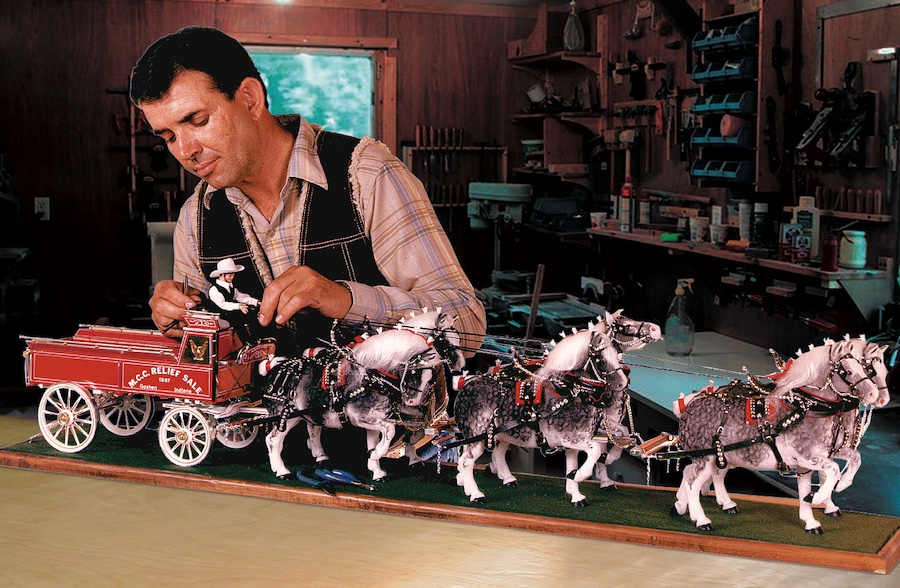
His advice for a visit—go out and explore. Talk to people. Be open and be respectful.
“The key element is surprise,” he says. “And it’s a great place to be surprised.”
Arizona-based Teresa Bitler is a globe-trotting travel journalist whose recent East-West News Service articles examined the growing popularity of Dark Tourism, the global market for Spain’s Ibérico ham and Quartzsite, AZ, RVers’ destination for winter hibernation.