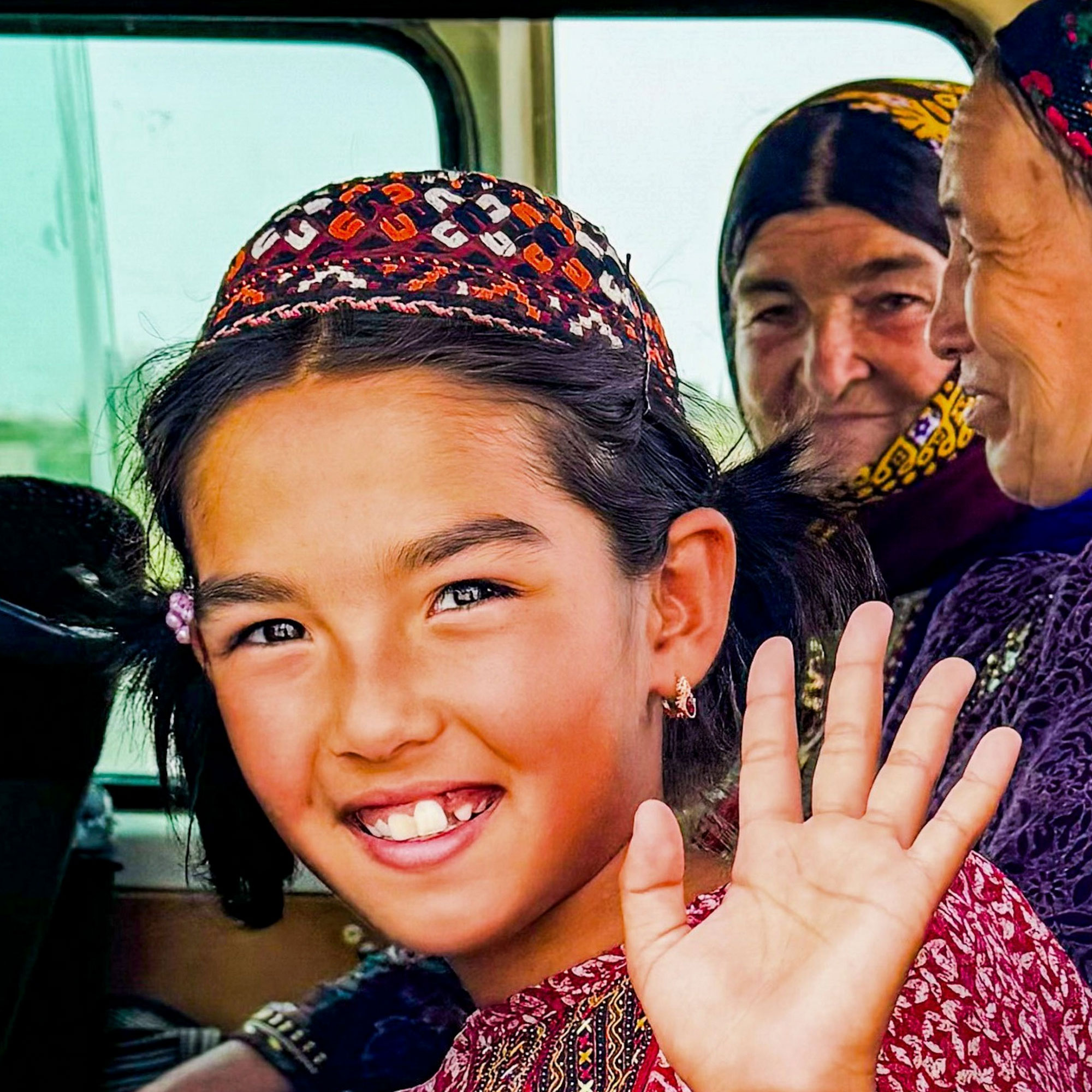

You might expect a place labeled as a “stan” to be colorless, shapeless, perhaps flat and boring, each border crossing leading to more of the same. Nothing could be further from the truth. Indeed, there’s a certain undefinable romance about the former Soviet republics known collectively as “the Five Stans”—Turkmenistan, Uzbekistan, Tajikistan, Kyrgyzstan and Kazakhstan. Strung like pearls on the fabled Silk Road of Marco Polo’s time, each of these Central Asian nations is different from its neighbors in its history, geography, architecture and culture.
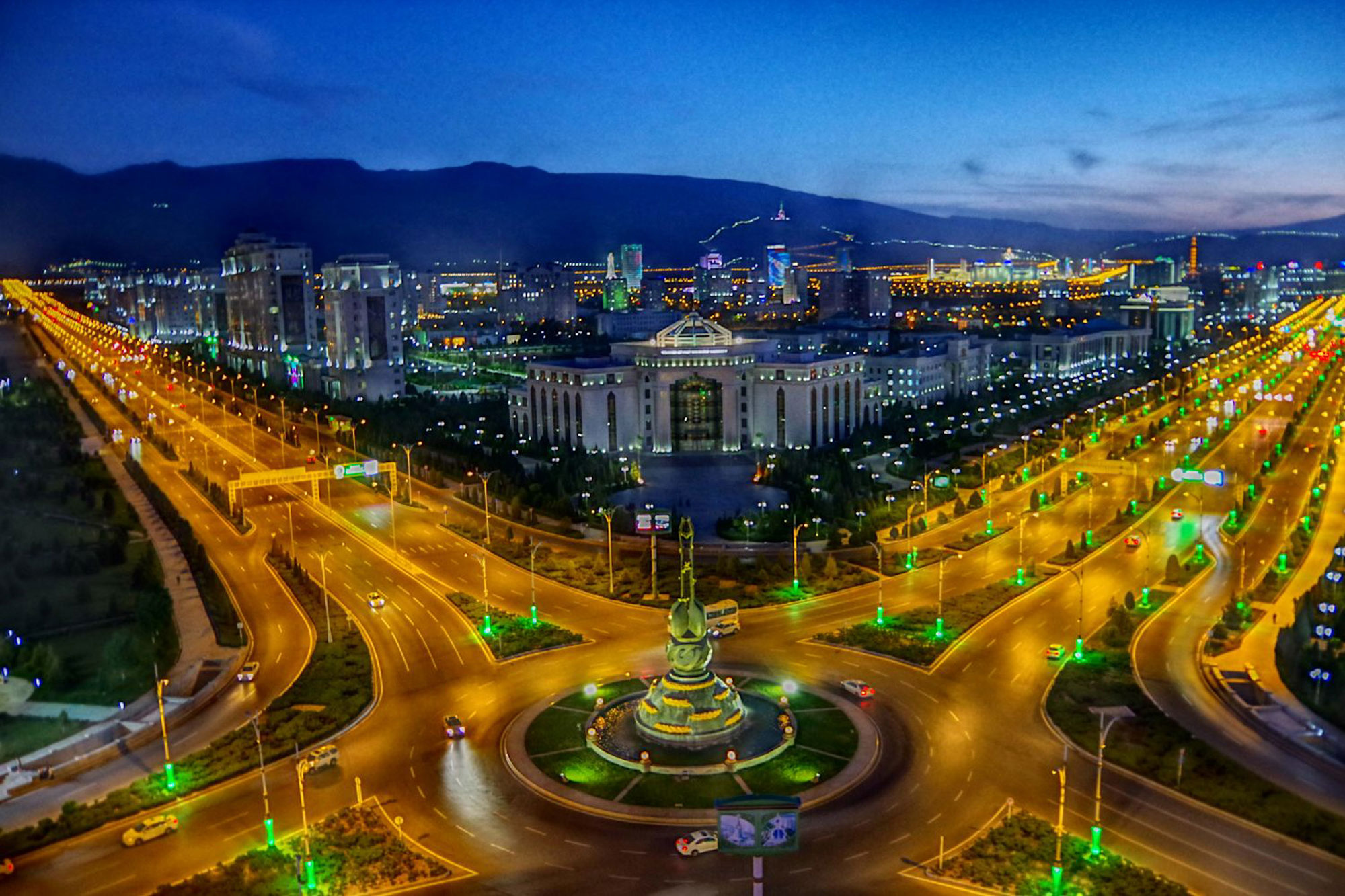
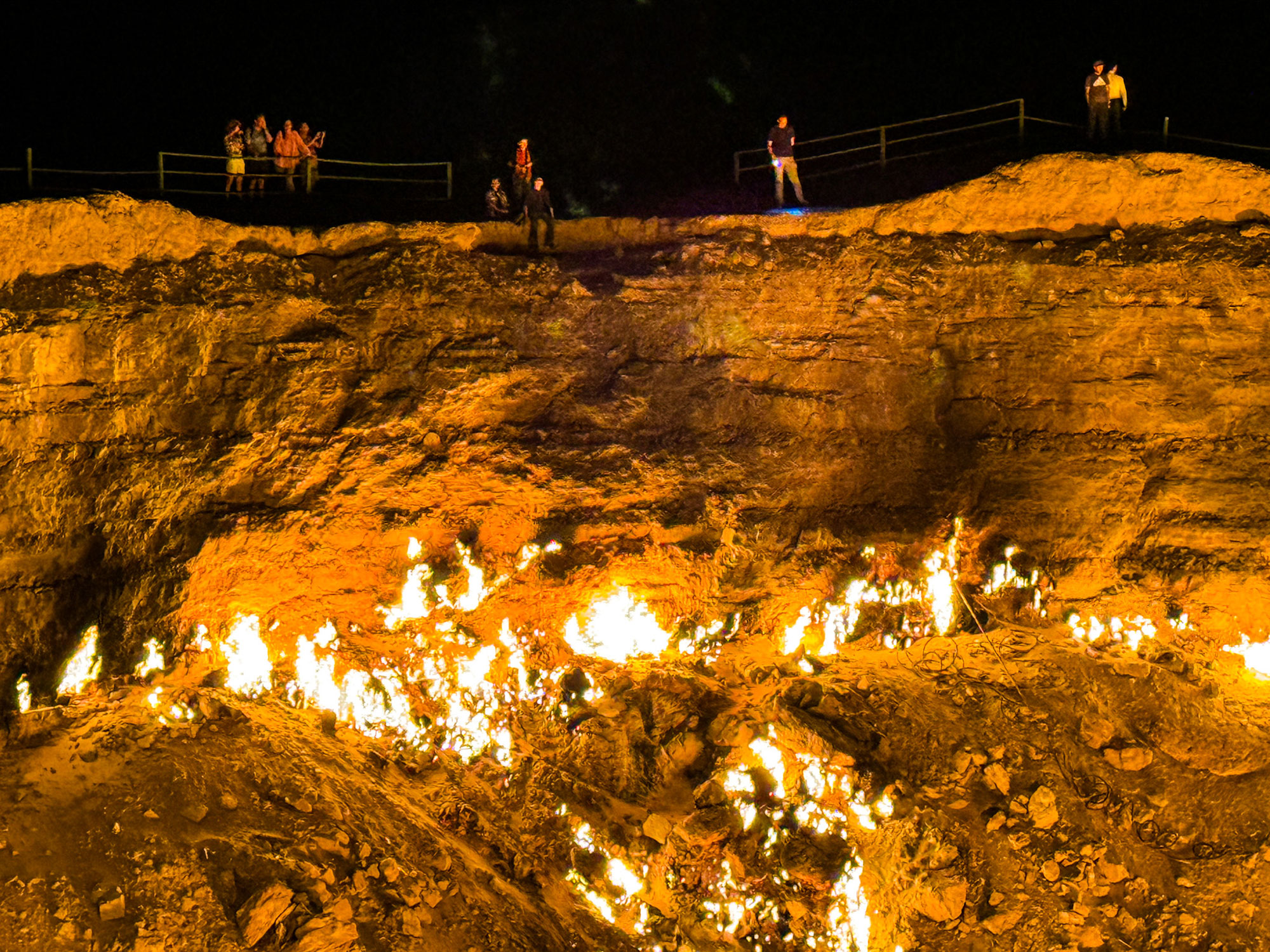
“Stan” is a Persian-Sanskrit suffix that means “Place of the (people).” Thus Turkmenistan, where I first entered the region, is the “Place of the Turkmen.” Ashgabat, its striking capital, is a city filled with white marble buildings and grand monuments. A stark contrast is the Darvaza gas crater or the “Door to Hell,” a fiery pit in the Karakum Desert that has burned for decades and become a symbol of the country’s unusual natural features.
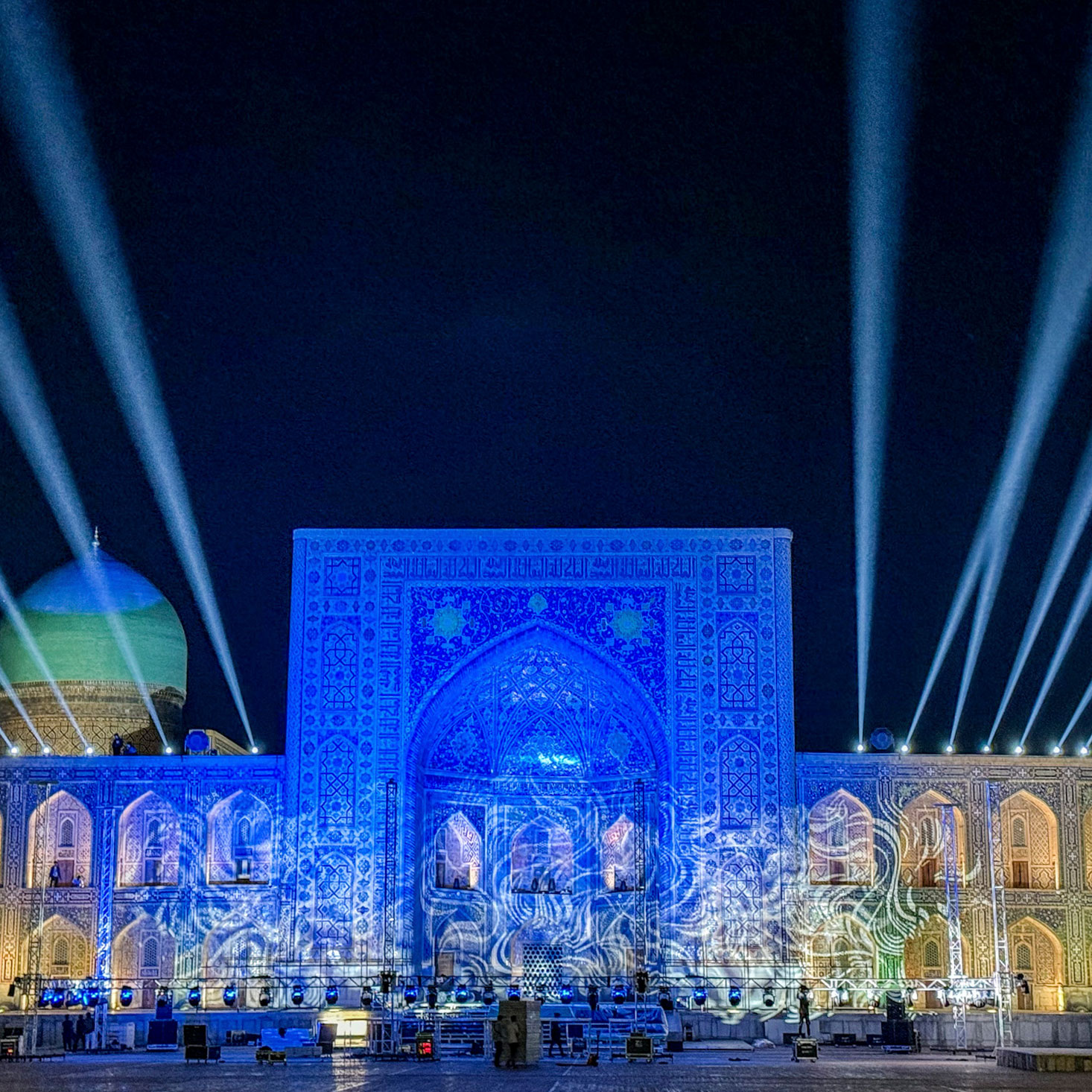
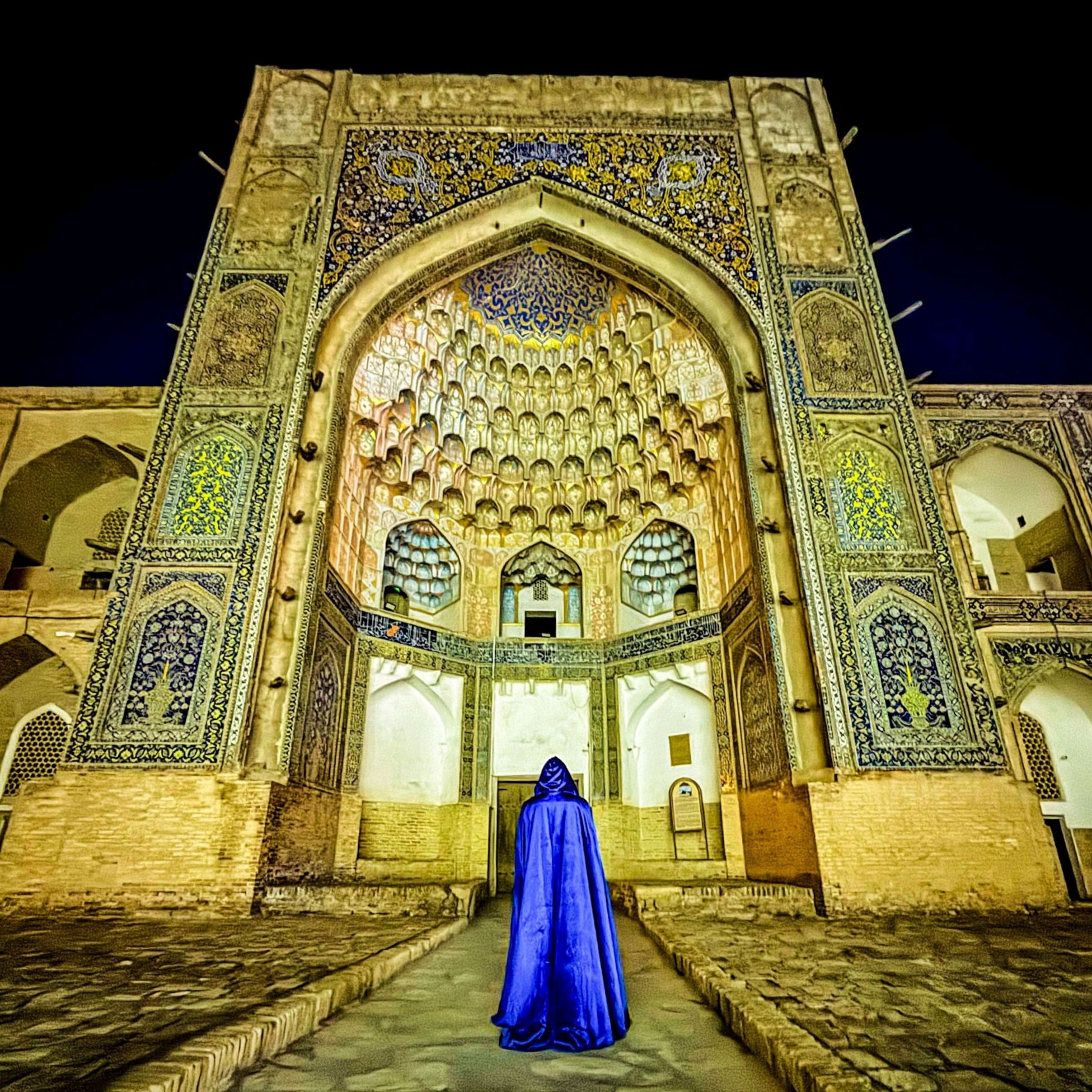
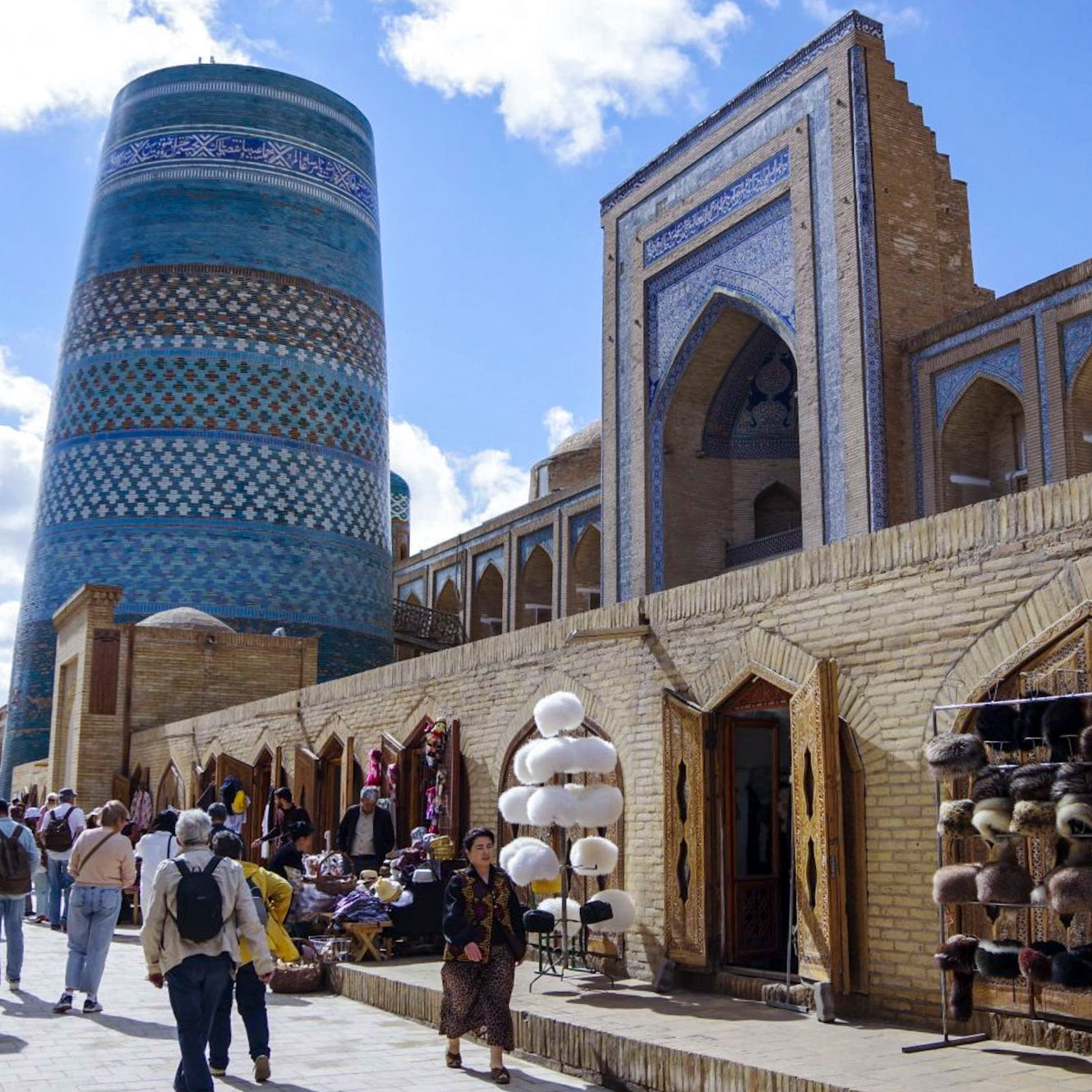
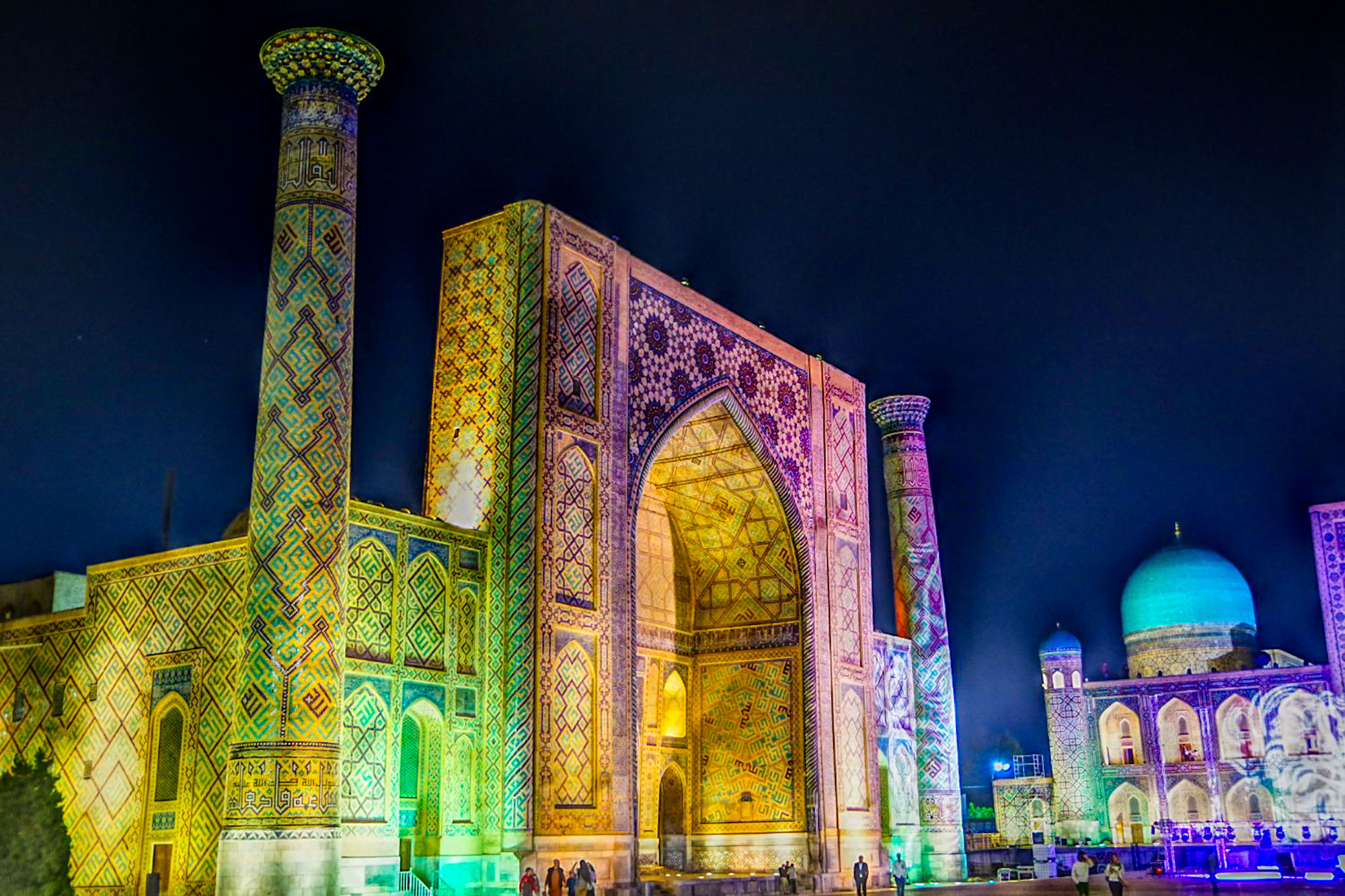
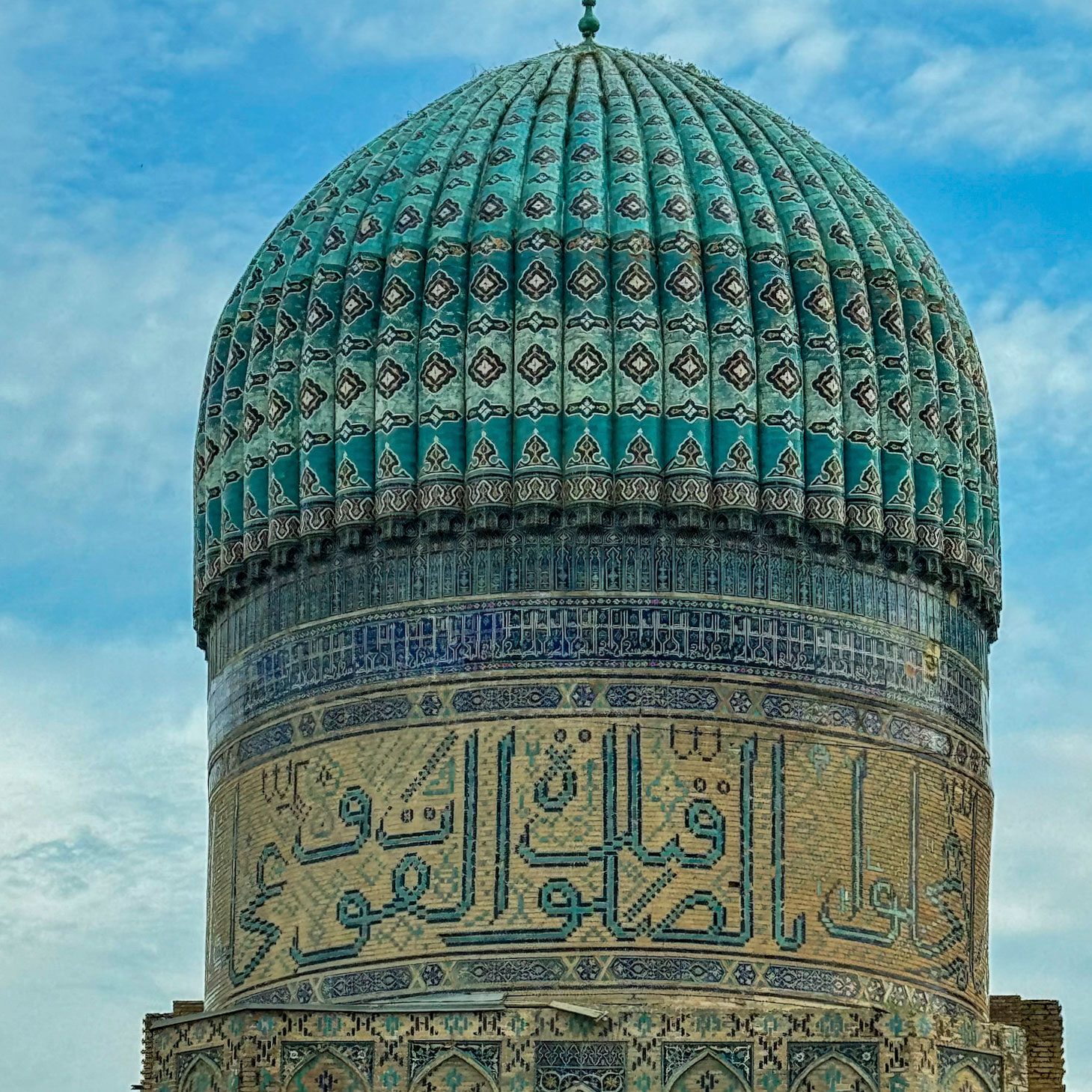
Uzbekistan lies at the heart of the ancient Silk Road. The medieval cities of Khiva, Samarkand and Bukhara are famous for their spellbinding, blue-tiled mosques, madrasas (Islamic colleges), and bustling bazaars. Once a major center of learning, Samarkand still amazes visitors with its architecture and history.
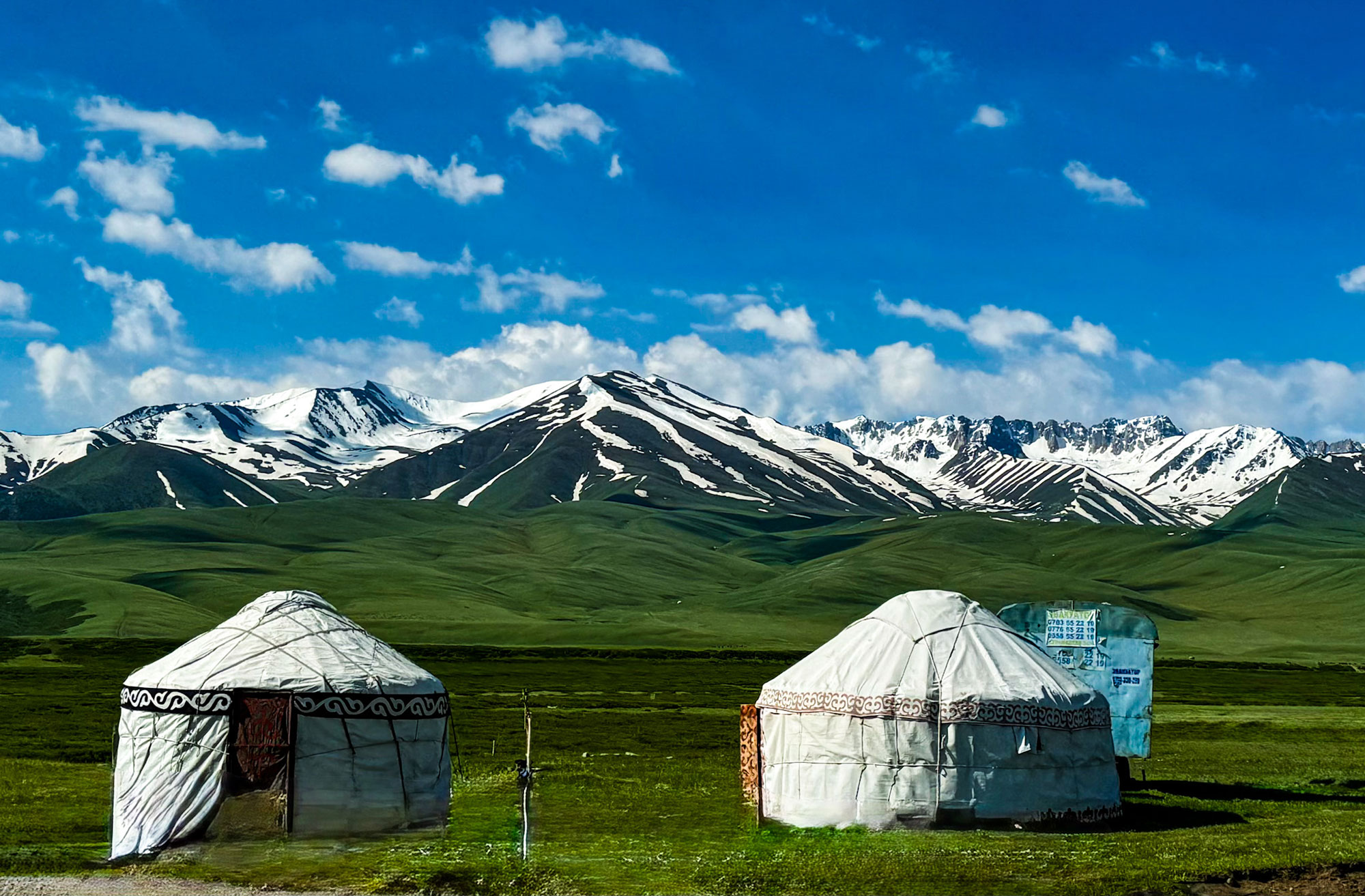
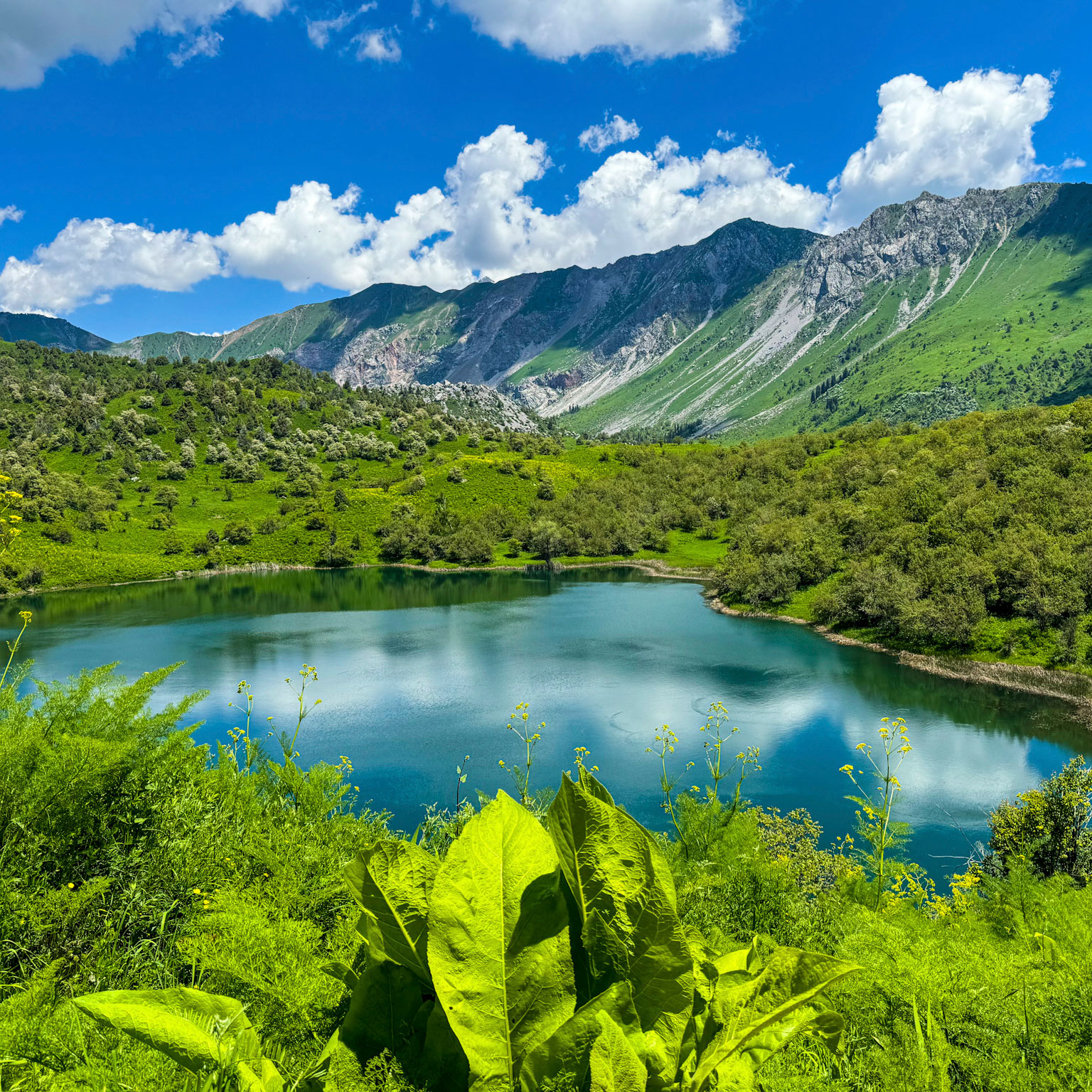
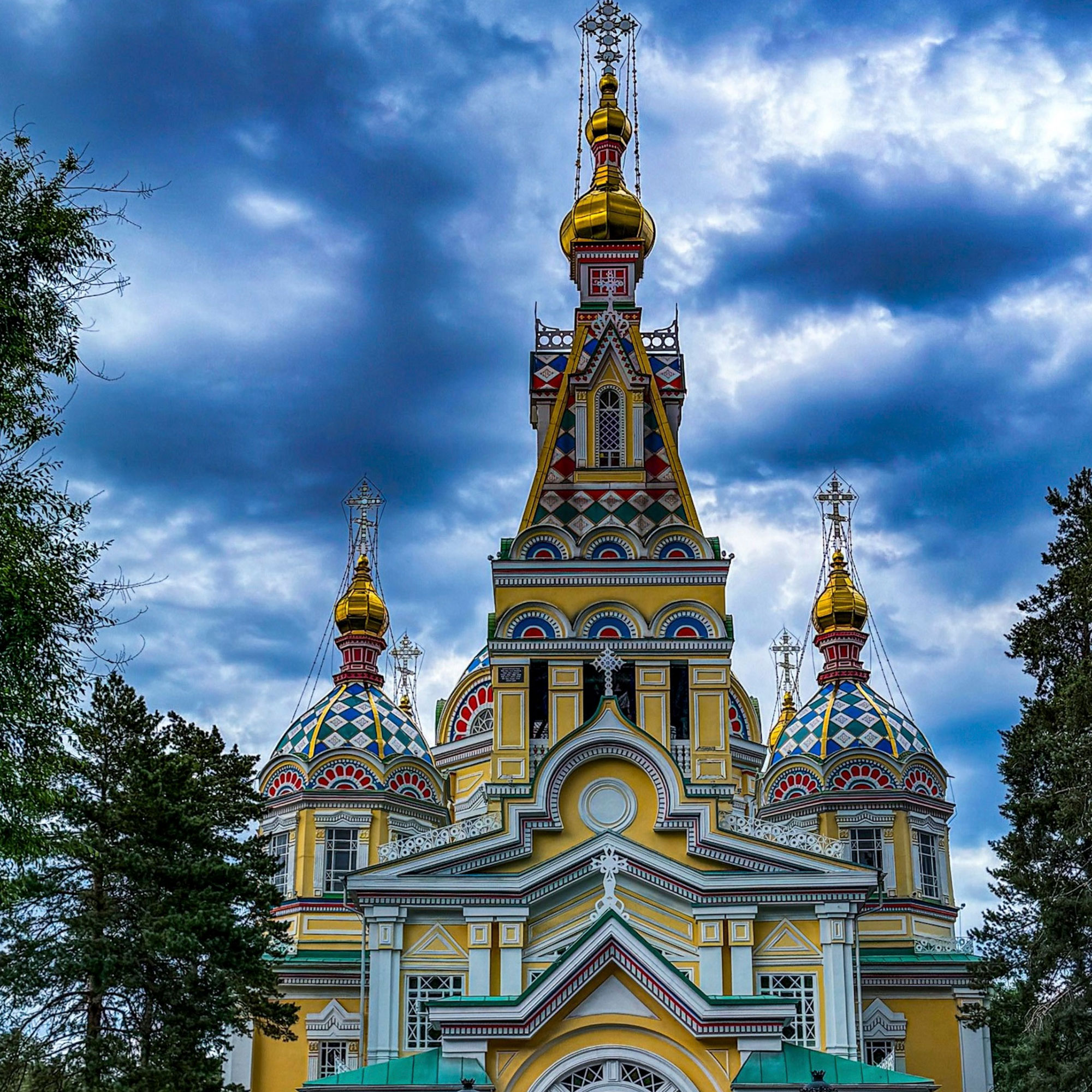
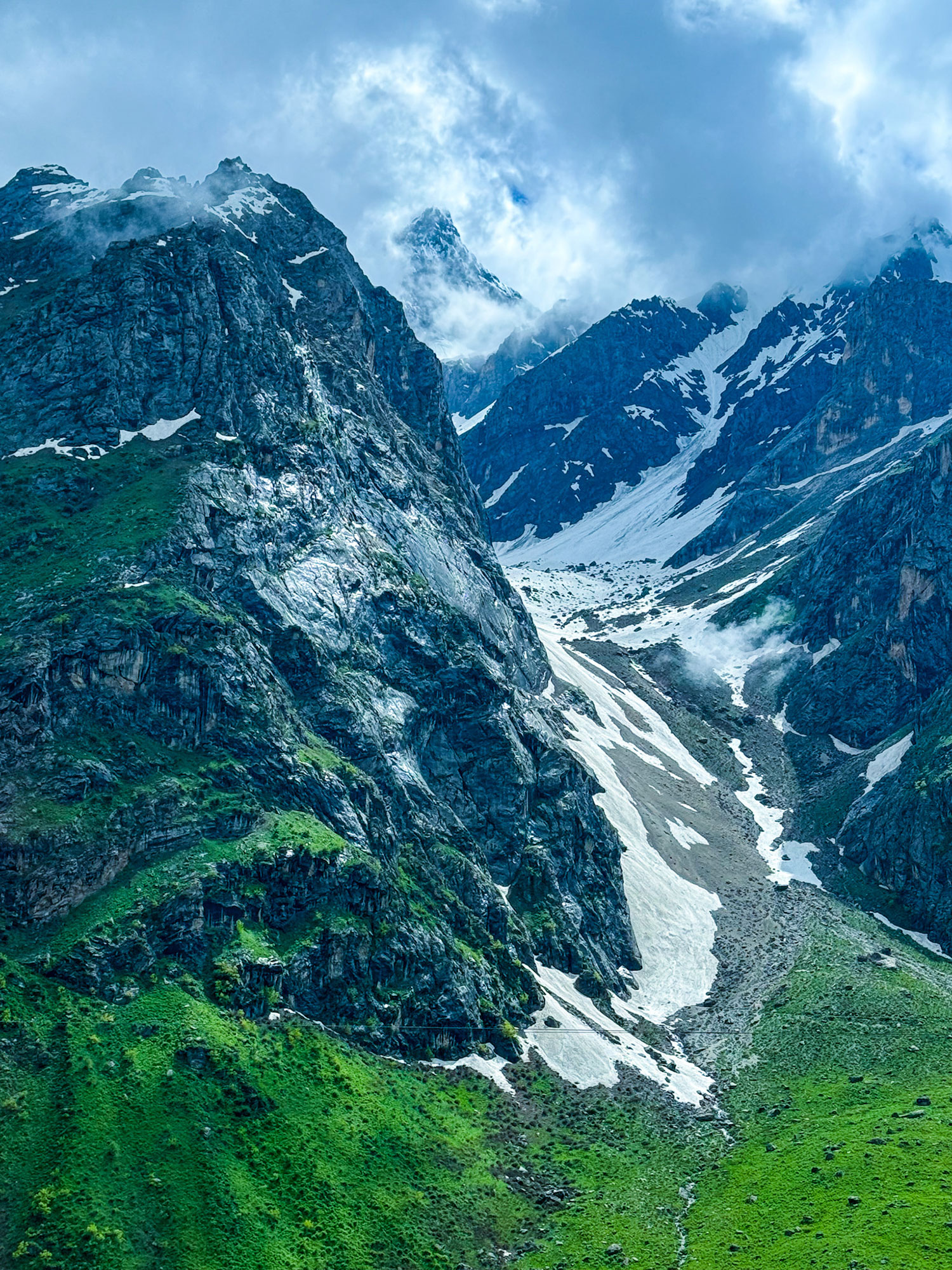
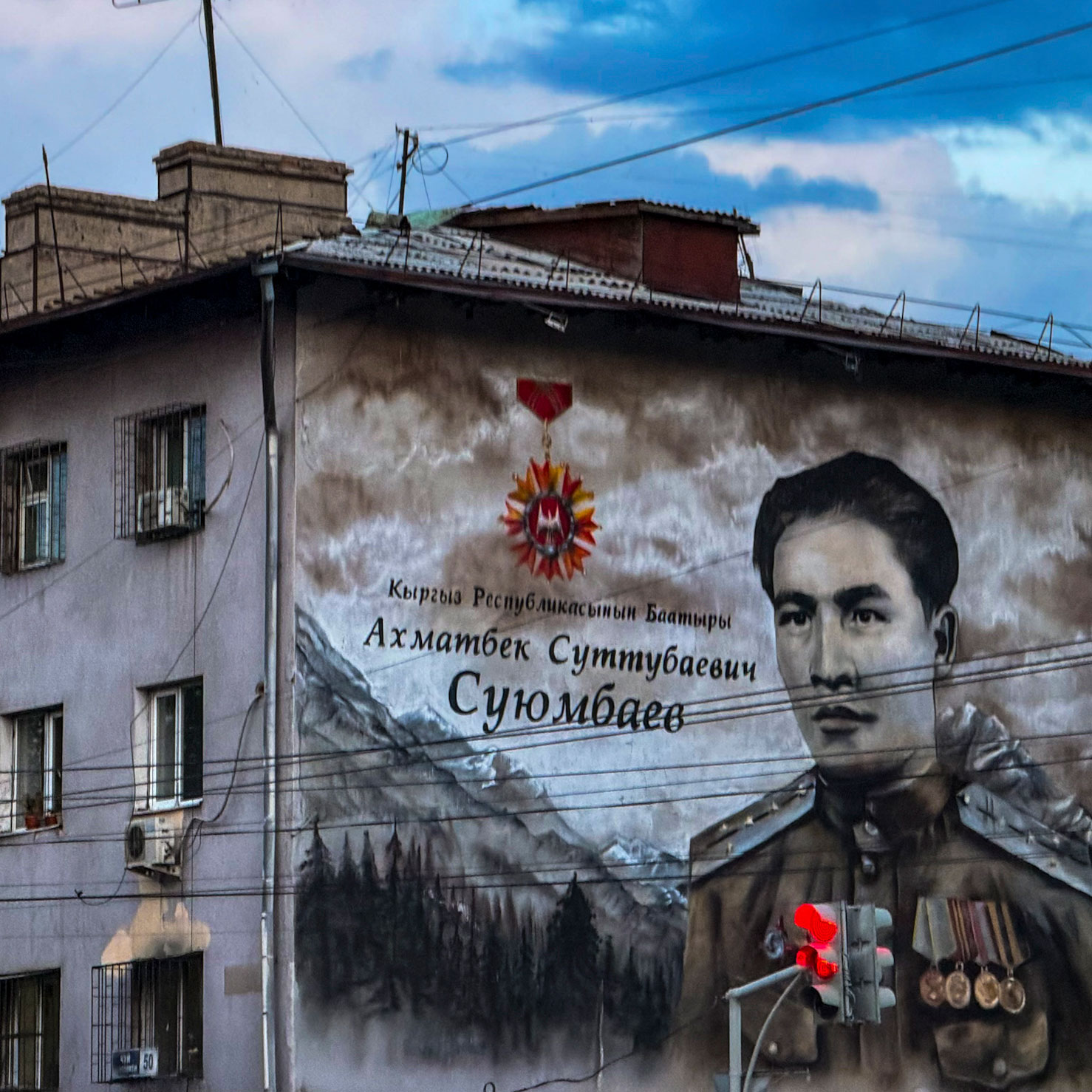
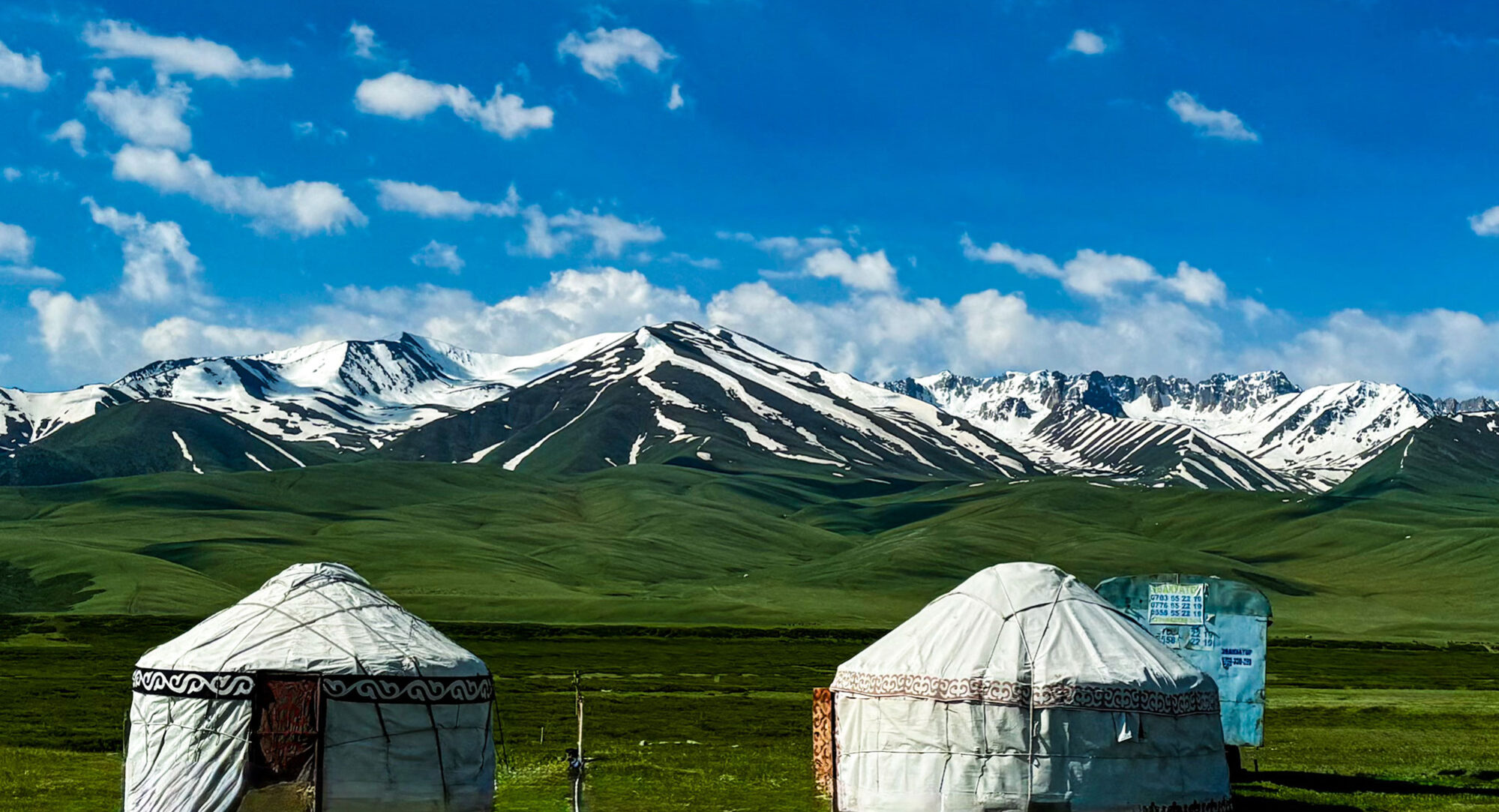
To the east, Tajikistan and Kyrgyzstan are defined by dramatic mountain landscapes. Tajikistan is dominated by the Pamir Mountains, sometimes called the “Roof of the World,” while Kyrgyzstan is known for its alpine lakes and strong nomadic traditions. Kazakhstan, the largest of the Five Stans, blends modern life with rugged vistas. Almaty, its largest city, is a cultural and economic hub surrounded by snow-capped mountains. Together, the five Stans exhibit the diversity and beauty of Central Asia.