

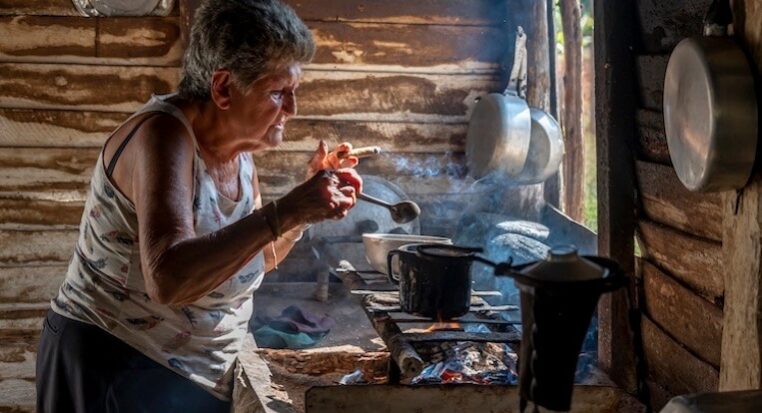
The downtown Havana hotel room was smoky, and the smoke lingered on the clothes long after a visitor left the room. I stood still and saw a group of full-throated European and North American men going around with cigars and glasses of rum, as if it were the city ritual. It was luxurious, almost extravagant—but I sensed that there was a great deal more involved.
Here, at the East-West News Service we embrace aggressive international travel writing —not in the comfort of a boutique hotel, but out on the road where the story actually takes place.
The Long Road to Pinar del Río
The following morning, I drove out of Havana very early, in the direction of Pinar del Ríos. There was a road that indicated otherwise about the length of the journey that the map proposed. The Carretera Central was rough and erratic, and I had to slow down to a crawl for long stretches. On the road, I noticed farmers holding small bags of crops, their arms held high as they tried to sell the contents to passing vehicles. Together with their families they waited under bridges, hoping that someone would stop to make a purchase. There is no reliable transport here; everything is improvised.
Viñales: Beauty in the Image of Tourism.
Viñales came as a contrast. The valley led to a sort of movie-screen scene with tobacco covered fields and high limestone hills. Travelers strolled around the central avenue, which was full of restaurants and Airbnb rentals. It was lovely, there is no doubt of it, but it was like a place that was slowly revealing itself to the outsider. Here, the tobacco business is not simply farming; it is becoming a show business.
Into the Heart of Tobacco Country.
However, I heard that the best tobacco was not in Viñales. And so I went on to San Juan y Martiiz, where the road quickly became dirt and lost its shape. GPS failed completely. There were frequent stopovers on the way, seeking the assistance of the people I met with my broken Spanish, till, at last, I arrived at the farmhouse of Máximo Perez. Everyone seemed to know him.
Máximo received me without ceremony. His hands spoke; his hands were hard, steady, and practiced. He had been working these areas since he was a teenager. There, I came to appreciate the reason why cigars are likened to wine. The territory is every bit as important as the procedure. He explained that his 11 acres are yielding some of the best tobacco in the nation.
Craft, Climate, and Survival
However, even here, there is a change. The changes in climate have also influenced the quality of the leaves, and growers like Perez have had to venture into the experimentation of new varieties of plants. He discussed it in a quite basic manner, not as something innovative, but as something required. The state buys almost all his crop, and he has little control over its destination. Nevertheless, he retains a share to himself and rolls cigars in the privacy of his own room.
He took me through the procedure: filler, binder, wrapper. The purpose of each layer is given, and they all collectively decide on the flavor factor of the burn of the cigar. I later watched employees handle the leaves in a meticulously organized manner. It was without romance and was merely a repetition of skill. The ancient legend of the cigars being rolled against the thigh of a girl seemed ridiculous during this period of time. Here, all this was based on discipline.
Inside the Curing Sheds
The atmosphere in the curing sheds was heavy and dusty. The leaves were in rows and were gradually changing color as they dried. The smell was changed as well, no longer fresh and grassy but something richer, almost sweet. And it was a change you could feel as well as see.
The second unexpected experience was when I heard the voice reciting aloud. A lector spoke to the workers on an elevated platform, where he was telling them news and literature. It was not a kind of entertainment—it was part of the working day. There was a beat even where there was no noise.
The Illusion of Luxury
I started seeing the other half of the industry back in Havana. Men went to tourist spots and propositioned me with counterfeit cigars at unbelievably low prices. The performances were believable sealed boxes and assertive stories, but something always seemed wrong. It was made obvious by how attractively the visitors were enticed.
But still, the actual product is beyond the reach of the majority of people in this place. One of those expensive cigars can cost more than one month’s income. Farms and curing sheds are constantly destroyed by hurricanes, and the process of restoration is slow. The industry is not dying, but it does not survive without constant effort.
What Eventually Fades
It now looked different as I sat again in that smoke-filled room. What is presented and sold as a luxury product resulted from a process defined by confusion, hard work, and constant adjustment. What was in the cigar in one’s hand was much more than taste; it was a tale of land, people, and strength.
Ultimately, when the smoke cleared into the darkness, it was symbolic. All I had observed, all the work, all the art, all the contradictions, and all that had been made emerged from the spirit and soul of Cuba. To see, understand and report on one of Cuba’s leading industries is why the East West News Service travels the world to report on colorful customs and cultures that may not last.
For a deeper exploration of this journey, read the full article: