

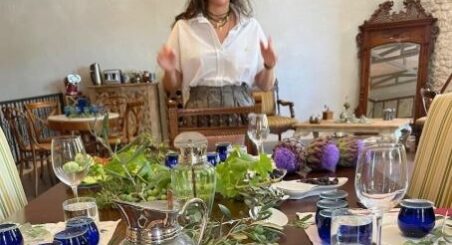
I did not think that olive oil would alter my perspective on culture. But in a restored mill in Urla on the Aegean coast of Turkey, it did.
Pelin Omuroglu gave me a little blue glass of olive oil and bade me not to gulp it down. “Smell,” she said. Then, “slurp.”
It was initially confused, but soon I understood her intentions and began to savor the oil. With each new sip I began to taste red apple and almond, followed by a peppery burn in the back of my throat. And it was not only the taste. It was as though a tale was being told by the golden liquid.
I realized in that moment that olive oil was not a thing that you read about or even took a picture of; you needed to experience it. Turkish olive oil was a commodity I typically read about in online business travel news articles yet hardly ever experience myself in an exotic setting.
The History of What We Presume to Know.
I had associated Italy or Spain with olive oil before I arrived here. Turkey had never actually come onto the scene. That supposition was soon to be disproved.
I have come to know that Turkey is the world leader in the production of olive oil and the second-largest producer of table olives. However, much of its oil is sold in bulk, mixed in other countries, and marketed under other foreign brands. It got me thinking about the number of times I had ingested something Turkish without even knowing.
The Urla-Karaburun-Çeşme Peninsula region is undergoing a gradual change that makes its previously hidden areas visible. Local farmers grow several crops apart from olives, which they cultivate to continue their farming tradition from ancient times.
Historical Highways to the Past
The centuries-old ancestry of the story shocked me more than anything else. Archaeological evidence shows that people have been growing olives in the region for over 6,000 years. The ancient city of Klazomenai, which lay nearby, began sending olive oil to Aegean markets during the 6th century B.C.
When I visited the site, it had lost its appeal as a tourist site. The area had no visitors and no displays to see except for the olive press, which stood in its original location. The object appeared unremarkable yet had a strong emotional impact on those of us gathered around it.
Turkey played a vital role in the development of olive oil history because it participated in every phase of its evolution.
People develop new culinary perspectives through each dish they experience.
At Urla, I could see how determined agronomists are working to change perceptions. Omuroglu also discussed how even local restaurants used to use low-quality olive oil, believing it was authentic. That notion is gradually being replaced with a new emphasis on quality.
Chefs are now taking notice. The young producers are replacing and introducing fresh ideas to the old groves. It is not loud or dramatic, but the new emphasis on quality is gaining momentum.
It was like being present during Inside Turkey’s Olive Oil Revival, not as a news article but as a process, one that was slow and steady.
Customs Live On
The thing that makes this change feel grounded is the emphasis on tradition. I heard how the başak is done, which is picking up the last olives on the trees and handing them to the needy. Harvest meals are another ceremony that is quiet and simple, with the food consumed under olive trees during lengthy workdays.
What started as a local crusade has grown into a national effort to reclaim Turkey’s olive oil legacy.
The United Nations Educational, Scientific, and Cultural Organization officially recognized Turkish olive cultivation traditions as part of the world’s intangible cultural heritage in 2023. The designation honors Turkey’s harvest-time rituals, folkloric songs, community feasts, and even theatrical performances, all held between November and January when the scent of crushed olives fills the cool air.
The product contains extra value beyond its actual contents.
For travelers wanting to experience this living history firsthand, the Olive Road offers the perfect path. One of the most interesting stops, near Zeytinler Village, is Köstem Olive Oil, the world’s largest olive oil museum. The sleek 20,000-square-meter complex displays ancient amphorae, oil lamps, and a 1,000-year-old olive tree, alongside interpretive exhibits that chart the spread of olive oil culture across the Mediterranean.
For Omuroğlu and others like her, this legacy isn’t a relic. It lives—through every tasting, every grafted branch, and every story shared beneath the olive trees. “When people taste olive oil at one of my tastings, it sparks something,” she says. “A sense of where it comes from, and why that matters.”
A single sip becomes part of a larger story—rooted in the groves of Urla, carried forward by new producers, and putting Turkey back on the global olive oil map