

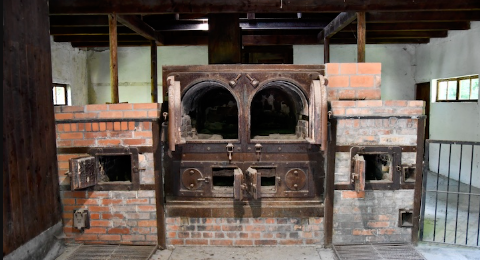
The situation did not interest me when it was first encountered. I came to Dachau by train, which is the typical route that visitors take before they begin their bus journey through peaceful bucolic areas. The path included residential areas together with several retail outlets and one educational institution. The path did not provide any warning about the destination it would take me to.
The moment I approached the entrance and spotted the iron gate that displayed the phrase “Arbeit Macht Frei,” all my feelings changed. More than 200,000 individuals entered through that gate between 1933 and 1945. At least 40,000 people died within the camp. I understood that my presence at the historical location meant more than a regular visit. I became involved in a significant situation, which, later, I learned was dark tourism.
The Process Of Grasping Their Meaning
Dark tourism refers to the practice of visiting sites that are linked to death, devastating events, and human suffering. The 1990s introduced the term to the public, yet its underlying concept has existed since ancient times. People have always been drawn to these places. Historical evidence shows that people have maintained their interest in death and combat since the time of the ancient gladiator arenas and Civil War battlefields.
The present day includes sites that range from concentration camps and memorials to former prisons, cemeteries and disaster sites. I encountered similar locations during my experiences of Central America Travel and Cultural Analysis, although I sometimes failed to recognize them at that moment. The experience made me contemplate our tendency to enter these spaces without recognizing their actual meaning.
The Process Of Achieving Understanding
Not every location that relates to death belongs to this specific group. Some people include ghost tours or abandoned towns, while others argue that those are more about entertainment than remembrance. I have experienced that specific distinction in my own life.
A heavy atmosphere existed at Dachau because of its presence. The situation did not include any dramatic elements that people expect to find in such situations. The situation existed without any dramatic elements. The places I visited, which attempted to recreate tragic events, created a feeling of disconnection from all things real.
The definition of the concept remains unclear. The classification of a location as “dark” depends not only on its historical background but also on how that history gets present to people who visit the site.
My Need To Stay
The reason I did not leave after I completed my exploration of the site became clear to me. I maintained my current pace. I continued to read everything that I found. I remained silent for a longer period than I had planned.
People visit these sites because they need to comprehend tragedy. Present-day existence makes historical events feel tangible while everything else falls short of that experience. Distant things now feel like they come into your real life.
Visitors find themselves torn between two different obligations. The visit required me to see the past, which happened there, even though the acknowledgment required only small gestures. The act of witnessing took place. Each person processed their emotions through quiet, respectful actions, which I observed in others.
I observed other people who behaved in ways that did not seem right. People took selfies while speaking loudly and treating the area as if it were unimportant. The moment made me see how people lost their understanding of the real purposes of these sites.
The Questions Which Create Discomfort
The question of whether dark tourism should exist continues to generate arguments between two opposing groups. Some people believe that it serves to educate and preserve historical memory. Some individuals think that the practice of consuming suffering faces dangers. The two opposing viewpoints became clear to me.
The study examined how Dachau developed its identity through its historic events. The entire town became identified with the tragic events that took place there. The people who live in the area have to carry a devastating identity, which causes me concern about its impact on their lives.
The experience changed me through its power to leave behind strong emotions. The experience stayed with me as I encountered various things. The experience stayed with me as I thought quietly and asked questions that remained unanswered.
The American Culture Dispatch portrays these sites as educational experiences to its audience. People must go to educational places to learn their mission. The educational visitors to the site will experience it as a personal connection to the site. The educational experience establishes a connection to practical reality.
The research ended without reaching definitive results. The research resulted in my gaining a better understanding of historical events, together with human behavior patterns, and the need for respectful access to these sites.
The ongoing existence of dark tourism must arise from its current state of existence. People do not pursue tragedy; rather, they seek to understand it through their experiences in its original locations.
For a deeper exploration of this journey, read the full Travel article: