

Summary: Japan’s traditional crafts reflect centuries of regional history, practical knowledge, and artistic expression. Local artisans preserve these traditions by passing specialized skills between generations, using regional materials, and adapting their work to changing needs. Learning Japanese handicrafts offers travelers a closer look at this cultural heritage, while continued support for traditional crafts helps communities maintain their identity and keep valuable skills alive.
A handmade ceramic bowl, an indigo-dyed textile, or a finely crafted wooden object tells a story about the people who make it. Across Japan, artisans connect everyday objects with local history, regional resources, and established techniques. Learning Japanese handicrafts gives visitors a deeper understanding of these traditions, while conversations with craftspeople reveal how their work reflects community values, patience, and respect for materials. These practices preserve more than artistic skills. They also maintain a living connection between Japan’s past and present.
Traditional Crafts Carry Regional Histories
The conventional textile manufacturing process requires specialized knowledge concerning fibers, dyes, techniques of weaving, and finishes. The workshops and small communities engaged in the production of pottery, textiles, and woodwork could identify themselves on the basis of their unique expertise.
Pottery and Ceramics Reflect Local Traditions
The example of Japanese pottery shows that geographic location and natural resources play a crucial role in shaping the local craft. The districts of Bizen in the Okayama prefecture and Mashiko in Tochigi prefecture have created their own style of pottery. Thus, the Bizen pottery is known for its unglazed surfaces and special way of firing, while the Mashiko pottery stands for practical and mingei ceramics.
These unique identities are maintained in the use of particular kinds of clay, kiln production methods, glazing, and shapes. The artisans’ work represents the response of new generations to the demands of the time.
Textiles and Woodwork Preserve Specialized Knowledge
Textile making involves the knowledge about fibres, dyes, patterns and finishings. One such repetitive dyeing procedure in the Japanese indigo dyeing known as aizome explains how a number of colouring procedures can produce intricate blue colours and designs.
The woodworker skills are another aspect that helps sustain local knowledge through joining, tools and materials. This process normally requires longer time to be acquired due to the fact that even small differences in moisture level, grain or angles affect the final product.
How Artisans Pass Skills Between Generations?
Written instructions are not the only aspect of traditional craftsmanship. A large number of methods rely on skill judgement, timing and an understanding of the materials which takes time and repetition to master.
Apprenticeship Keeps Techniques Alive
Craft master artists might introduce younger artists to the craft by demonstrating or modeling their work, supervising and supporting them in the process, and carefully assigning responsibility as they go. Apprentices acquire knowledge of appropriate materials, ensure and manage tools, rectify errors and develop the idea of why specific methods are relevant.
This is because the direct interaction allows the preservation of certain aspects which could have been missed in formal descriptions. This also allows young artisans to adopt their own methods of production.
Workshops Introduce Visitors to Craft Traditions
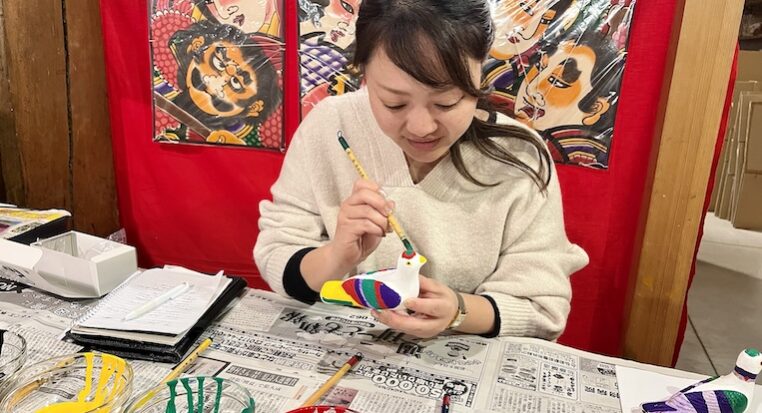
Travelers have the chance to gain insight into the work made with the hands during participatory workshops. Clay forming, basic textile skills, paper-folding or watching a craftsperson using traditional tools may be their targeted activities for the visitors.
The experiences provide a hands-on introduction to Japanese traditional craftsmanship and allow participants to gain an appreciation of the time, concentration and decisions required on each item. Worthy workshops also provide artisans with the chance to teach others how to perform your craft and instill the background of your craft.
Balancing Tradition with Contemporary Needs
In order to preserve a craft, it doesn’t necessarily have to be reproduced in exactly the same way. Here, artisans continue to produce and modernise a variety of goods, such as table ware, accessories, decorative items, and housewares while keeping traditional methods.
Such balance is essential since craft practices continue to be relevant when there are significant uses for what they make. Younger makers might play around with form or work alongside designers while still using the same materials and techniques as before.
Another benefit of tourism is that it offers an opportunity for the craft communities. When the tourists purchase products made by locals, or reserve classes and work with them, they enable development of those practices which trigger the skills of the local artisans and enhance their knowledge of the people in art. Responsible tourism keeps in mind the regulations and the traditions of the workshops as well as appreciates the time of the artisan and opts for peaceful local craftsmanship rather than frivolous cultural experiences.
Challenges Facing Japan’s Traditional Crafts
Many craft-based industries have problems relating to their aged workforce, the lack of apprentices, the growing costs of craft and the competition with mass produced products. The financial return of some techniques remains uncertain and it would be difficult to bring in new artisans if a lot of training is required to attain the levels of professional artisans.
Communities have responded to these in several ways, such as in craft education, public performances, museum activities, design partnerships, and sales outlets. There are also initiatives taken in Japan that have been undertaken to encourage the industry that is officially acknowledged under the Japanese system for recognizing traditional crafts. The criteria apply only to the crafts and do not cover all handmade goods that fulfill the requirements.
Consumers have an important part to play. Selecting authentic goods and asking about their origins ensures that those involved in making such crafts are rewarded justly.
Conclusion
Local artisans preserve Japan’s cultural identity by connecting regional history with practical skills, creative expression, and community knowledge. Their work shows how traditions remain meaningful when craftspeople teach younger generations and adapt their methods to contemporary life. For travelers, learning Japanese handicrafts offers a thoughtful way to explore this heritage beyond familiar tourist attractions. Discover local workshops, listen to artisans’ stories, and support the crafts that keep Japan’s cultural traditions alive.
Explore East West News Service for more stories connecting travel, history, and culture.
Related reading: Tripping Through Wintery Japan and off-the-beaten-path Hinohara, Japan.
FAQs
What is the significance of the traditional handicraft to the culture of Japan?
Traditional crafts preserve regional histories, specialized skills, arts and knowledge about local materials. In addition, they connect communities with technologies that were developed by earlier generations.
What are the traditional handicrafts in Japan?
Japanese pottery, indigo dyeing, origami, lacquerware, woodblock printing, bamboo craft and traditional weaving are some examples of traditional Japanese crafts. Each craft has its own technique and variation in each region.
How do the artisans in Japan transfer their artisan knowledge to the next generation?
Apprenticeships, demonstrations, supervised training and craft workshops are some of the methods adopted by the artisans. Such methods help the young makers to learn technological skills and knowledge about the technology and operations involved
Where do travelers experience traditional Japanese crafts?
Visitors can visit potters’ villages and craft workshops, museums and cultural workshops in Japan. The geographical setting of Mashiko and Bizen helps tourists learn about established ceramic traditions.
What are the benefits that traditional crafts will get from tourism?
Responsible tourism provides benefits for artisans through fees for workshops, buying local products and increasing awareness within the public sector. Such a collection of activities provides continuity to craft enterprises and to inculcate the practice of traditional skills.