

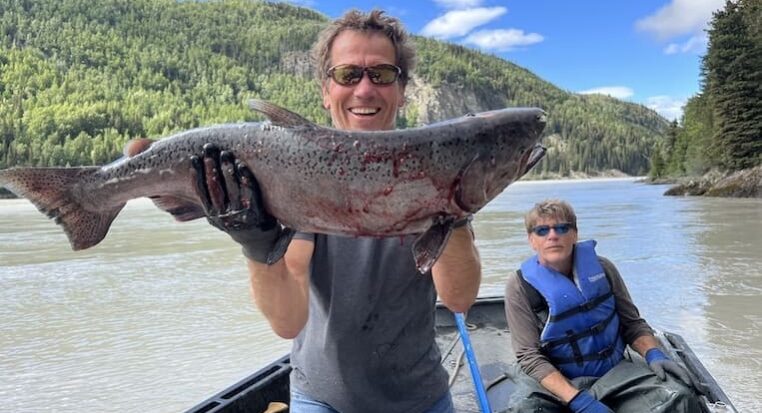
The first time I stood beside an Alaskan river in late summer, I figured I was just gonna watch folks fish. But nope, I ended up seeing something that basically rewrote how I look at salmon. The water felt busy, like it was actually breathing with fish working their way upstream after years out in the North Pacific, and everybody nearby talked about them with this real respect—not the casual kind I’d seen elsewhere. As I later came to understand while reading the latest business travel news articles, salmon in Alaska aren’t only “food” or something you buy; they’re part of everyday life, family history, and honestly, the whole landscape seems tied to them.
I think what caught me off guard most was finding out Alaska’s salmon get called more than one thing. I grew up thinking salmon was just salmon, period. Here, though, each species has its own usual name, and sometimes those names shift with tradition, looks, or the time of year. It didn’t take long to realize that learning the names is the same as learning Alaska itself.
Five Species, Many Different Names
In Alaska, you can find five wild Pacific salmon types, king, silver, sockeye, pink, and chum . Each of them sort of brings its own vibe, taste, and backstory , like they’re all in the same novel but in chapters that don’t quite line up .
King salmon , also known as Chinook , is the biggest one and honestly it’s the fish a lot of anglers quietly hope for when they’re out there . Silver salmon get called coho, and they’re famous for being a little showy once they’re on the line. Sockeye are often labeled red salmon , mainly because they look so bright when they’re spawning. Pink salmon , though, are sometimes called humpies, since the males grow that hump right during spawning season. And chum salmon, you might hear people say “dog salmon”, which I was told comes from how these fish were connected to sled dogs in northern communities, long ago.
When local fishermen explained it all, it felt less like “here are facts from a book” and more like listening to family memories, tangled and warm. Also, some salmon pick up extra names depending on their life stage, and that alone showed me how tied they are to local culture, not just biology.
Why Salmon Matter So Much in Alaska
The more I hung around rivers and fishing towns, the more the importance of salmon made sense. Every summer, millions of wild salmon return to the exact freshwater places where they started. That trek doesn’t just help the people who catch them; it feeds bears, eagles, forests, and a whole bunch of other living things too. The cycle keeps repeating, over and over, for thousands of years, and you can still feel it shaping life all across the state.
For a lot of Alaskans, salmon aren’t only a seasonal catch. They stand for tradition, food security, and that deep sense of continuity that runs through generations—long before today’s industries showed up.
The Unique Flavor of Every Salmon
One afternoon I watched freshly caught sockeye get prepped for dinner, and honestly it might have been the freshest meal I’ve ever had. They didn’t over think it , they just cooked it in a way that let the natural flavor come through, like no unnecessary tricks. I also picked up that locals try not to overcook salmon, sort of like it’s a rule they all grew up with, because even one extra minute can dry it out.
And I noticed everybody had a “best” choice, but it depended on the person. Some swore by king for that rich, almost buttery feel. Others acted like sockeye was the real winner, saying the flavor was unbeatable. Silver salmon got praise for both taste and the thrill of catching them. Pink salmon were valued for how plentiful they are, and chum stayed popular for smoking, even if it doesn’t always get the same spotlight elsewhere.
Experiencing Alaska’s Fishing Culture
Fishing in Alaska is not really like other places I’ve been. Coastal towns such as Sitka, Seward, Juneau, Homer, and Ketchikan are known for salmon fishing, while rivers like the Susitna pull in anglers hoping to land fish in freshwater. Even Anchorage has salmon fishing right in the middle of the city, at Ship Creek—something I never figured would happen.
But the strongest thing I took with me was subsistence fishing. Many people there spend long summer days catching enough salmon to stock freezers for winter. It’s hard, physical work, but families keep going because it feeds them for months, and it keeps a centuries-old way of life running.
More Than Just a Fish
By the time I left Alaska, the biggest lesson wasn’t about memorizing five species, or even the names themselves. It was the idea that each name points to a different connection—to a river, a community, a family ritual, or even a favorite meal. As I reflected on what I had experienced, I could see why stories like this often stand out among Global Business Insights articles. The talk about the “best” salmon never really finishes in Alaska. After experiencing the salmon culture, even just briefly, I walked away with a much deeper respect for a fish that has shaped the state’s identity for such a long time.
For a deeper exploration of this journey, read the full article: