

I had barely stepped off the American Queen in St. Francisville when this elderly man called out, asking if I’d arrived on the paddle wheeler. I thought it was going to be one of those quick hellos, but no, it slid into this warm little conversation. Christian Morrison was his name and he told me how he grew up on a plantation across the river, raising his family right there and later buying a small house in town so his kids could go to school. And now, on cruise days, he just sits outside, meeting visitors as if it’s the same day, over and over.
As I walked away, I realized the Mississippi isn’t only a river. It’s a living thing, where stories perpetually drift around, living through the folks who call its banks home, a reminder of what makes journeys shared through East-West Travel Guides and Insights feel so personal and lasting.
Drifting Through History
Over the next seven days, while the American Queen was making its way from New Orleans to Memphis, I started to understand why this river keeps stirring so many generations of writers, musicians, dreamers, and all those folks who go on imagining—what things could be, what things should be.
Leaving New Orleans was unforgettable. Steam rose up into the sky, while the giant red paddlewheel churned the water, and the calliope’s lively notes drifted through the air. It didn’t feel like boarding a cruise so much as being drawn back into another era, quietly but insistently.
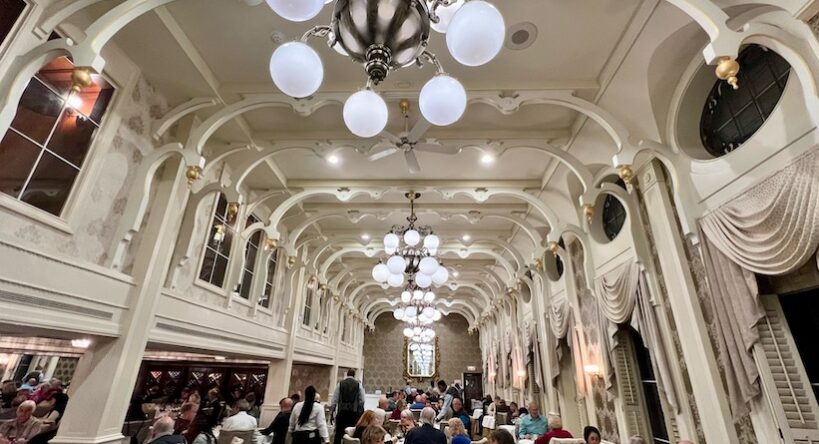
The ship carried that whole feeling along the trip. There were antique furnishings, carved woodwork, paintings of historic steamships, and even a gallery dedicated to Mark Twain, which made me think about how these waters used to shape America’s westward expansion. Before the railroads took over the landscape, the Mississippi was basically the country’s lifeline, carrying settlers, trade and chance into the middle of the nation.
Stories Along the Riverbanks
Every stop felt like another page from Southern history.
At Nottoway, Louisiana’s largest surviving antebellum mansion, I wandered through rooms that were still beautifully preserved, somehow avoiding destruction during the Civil War. Houmas House offered another angle on the wealth that came from sugar plantations and river commerce, and its museum laid out how tightly the region’s fortunes were tied to the Mississippi.
Back in St. Francisville, a high school marching band welcomed us, and it was a reminder that river tourism still matters in places like this, small communities that somehow keep showing up to greet new guests.
At the Old Market Hall, I met a local jeweler, whose family history goes back generations. She showed me tiny silver compasses that had once been hidden inside soldiers’ clothing during wartime, can you imagine that? I couldn’t resist taking one home, even if it felt a bit impossible.
Where History Feels Personal
One evening, a veteran river pilot explained that navigating the Mississippi means learning to “read the face of the water.” Then later that night, standing on deck alone under a moonlit sky with nothing but the steady rhythm of the paddlewheel breaking the quiet, his words… suddenly they made sense.
Natchez felt like an open-air museum. Its grand mansions, calm churches, and tree-lined streets seemed like time had just been politely waiting there. Talking with locals, I could feel the town shaped by plantation wealth, different communities, and a musical legacy that never really went away.
Vicksburg was the one that stayed with me. Walking through the National Military Park, surrounded by monuments marking one of the Civil War’s most decisive battles, I felt the weight of history, like it was in the air and not just in the facts. The Old Court House Museum helped too, with its original maps, diaries and family records, and suddenly the past felt a lot less distant than it usually does.
The River That Stays With You
As the river carried us toward Memphis, I realized the whole trip wasn’t actually about the stops, not really. It was about the people, the stories, and those small quiet minutes watching the water roll endlessly by, a reflection I later shared through east-west news service.
Long after I left the Mississippi behind, I still caught myself thinking about Christian Morrison’s smile and the timeless pull of Ol’ Man River.