

I still remember when I first noticed, like really noticed, lly book the biggest airlines, no question. It was almost a routine thing: collect miles, cling to loyalty programs, and just accept pricey fares like that’s what corporate travel is “supposed” to be. But lately, while I was working on assignments in international travel writing, I started seeing more travelers moving—quietly, almost like they don’t want anyone to notice—toward smaller, off-the-beaten-path airlines that give something the huge carriers often don’t: plain practicality.
The difference became obvious in conversations, at airports and lounges, where people used to talk about elite status, and now it was all about saving time, lowering travel costs , and finding a more comfortable way to fly without getting hit with those extreme business-class fares.
Norwegian Air and the Rise of Affordable Long-Haul Travel
One airline that kept coming up was Norwegian Air Shuttle. I met a bunch of travelers on long-haul routes who chose Norwegian, mostly because the pricing made sense. And what surprised a lot of them was that the trip didn’t feel “cheap” in that old school way.
The Dreamliner cabins looked fresh, the premium seats were actually decent, and the fares were noticeably lower than the major airlines. Several business travelers told me they originally booked Norwegian out of curiosity, but then they came back because the savings were unavoidable. It was one of those little eye-opening moments where I thought, wow, business travelers are way more flexible with airline choices than they were like, a decade ago.
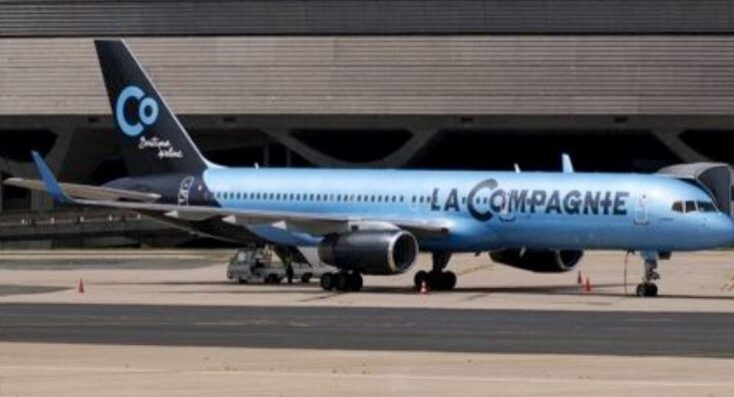
La Compagnie’s Different Approach to Business-Class Flying
I had a similar reaction when I heard about La Compagnie. At first the idea sounded a little risky, like a smaller airline doing only business-class seating. But after I spoke with passengers flying between Paris, London, and Newark, it clicked fast
People described it as calmer, more personal too, compared with larger international carriers. Instead of overcrowded cabins, last-minute chaos boarding, and loud terminals, everything seemed quieter, and more organized. And most of all, passengers didn’t feel like they were being financially punished just for wanting comfort on long international flights.
For a lot of the travelers I talked to while researching this piece, La Compagnie felt like a middle position between real luxury and straight up practicality.
Budget Airlines Are Quietly Winning Business Travelers
What grabbed me most was how budget airlines aren’t getting treated like some final option anymore for work trips. Airlines like Spirit Airlines and Allegiant Air used to be basically ignored by corporate travelers.
Now I hear professionals saying they’ll use these airlines for shorter business trips, because the cheaper fares beat out the extra stuff they rarely even need. That change says a lot about how priorities in corporate travel articles are evolving. Travelers care less about image, and more about getting things done efficiently.
Surf Air and the Idea of “Buying Time Back”
Then I found Surf Air, which honestly rewired how I thought about airlines. Instead of dealing with crowded airports and slow security lines, members show up minutes before departure and board using private terminals.
One traveler put it like “buying time back,” and that phrase really stuck with me. In business travel, time often matters more than comfort, and Surf Air’s model seems built to remove a lot of the little frustrations people have just accepted for years.
Small Regional Airlines Are Finding Their Place Again
Even smaller carriers, like Air Choice One, are also benefiting from the shift. By connecting smaller cities that major airlines often ignore, they’re making regional business travel easier again.
Travelers from underserved towns don’t have to drive hours anymore just to catch flights out of bigger airports. That convenience alone is already reshaping how a lot of professionals plan their trips.
The Future of Business Travel Is Already Changing
So yeah, what I’ve learned from all of this feels simple: business travel is moving away from status, and toward practicality. Travelers want affordable fares, smoother journeys, and a better use of their time.
These disruptor airlines probably won’t fully wipe out the major carriers, but they are absolutely reshaping expectations. And once you see how many professionals are quietly choosing these alternatives, it really does feel like the future of business travel has already started taking off.
For a deeper exploration of this journey, read the full article: